
Introduction to French Onion Soup
French onion soup is a timeless classic that has captivated palates since its inception. Its origins can be traced back to ancient Roman times, where a similar dish made from onions and broth was consumed for its simplicity and flavor. However, it was in France, particularly during the 18th century, that French onion soup as we know it today became popular, serving as both a humble peasant dish and a refined offering in fine dining establishments. Over the years, the soup has maintained its cultural significance, evolving while preserving its roots in French cuisine.
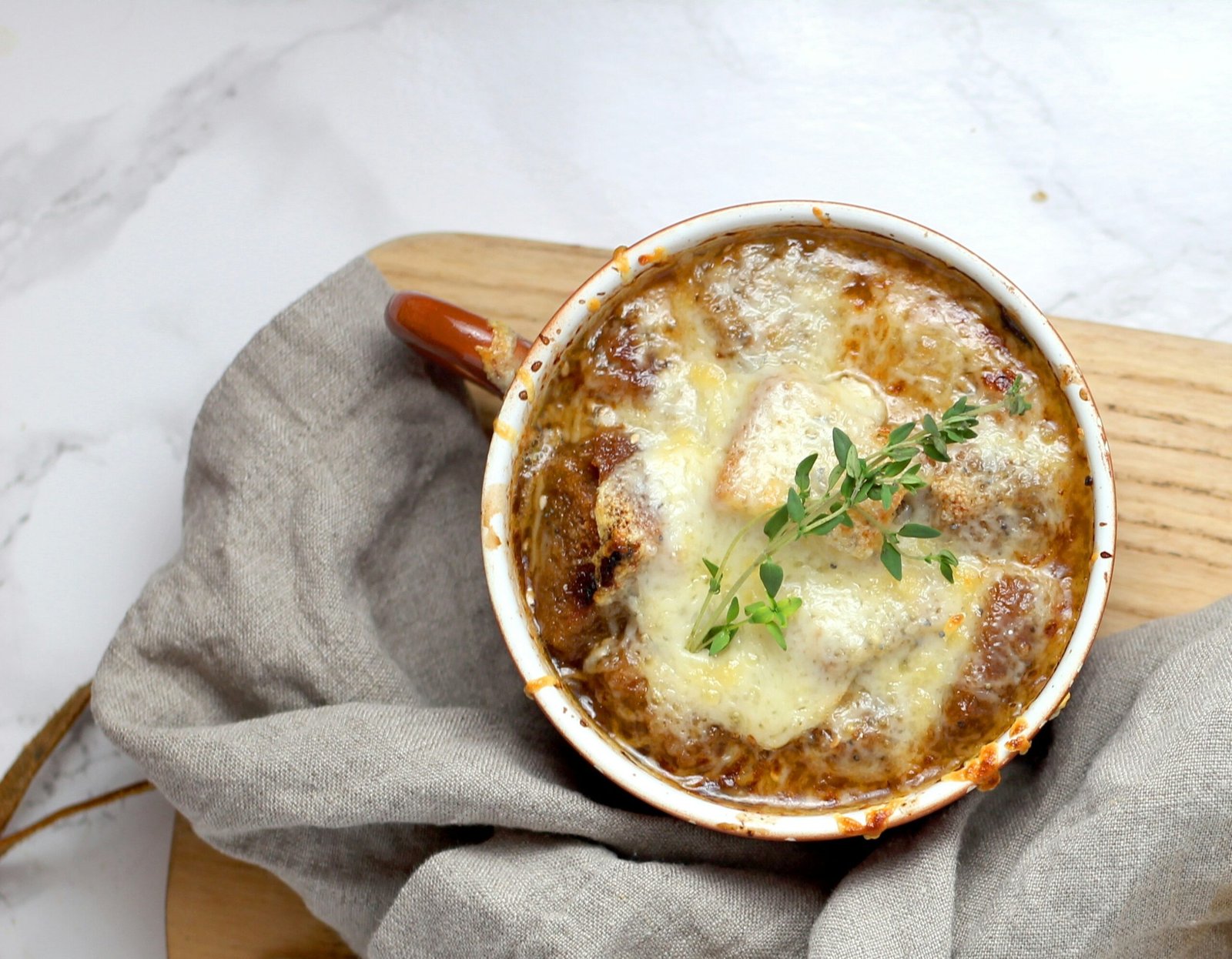
This dish is not merely a bowl of comfort; it embodies a story of rustic beginnings and culinary craftsmanship. Traditionally, French onion soup consists of very few ingredients; its foundational elements include onions, beef stock, a splash of white wine or sherry, and topped with melted cheese. The key to achieving the depth of flavor lies in the caramelization of onions, which transforms their natural sweetness and adds a rich, golden hue to the soup.
Culinary traditions have allowed French onion soup to adapt and take on various forms across the globe, with each iteration paying homage to its classic roots. Today, this dish is enjoyed widely, not only in France but also in bistros and homes around the world. The fortified flavors and rich textures make French onion soup a beloved staple, appealing to both culinary enthusiasts and those seeking hearty comfort food.
In essence, the uniqueness of French onion soup lies in the harmony of its ingredients. The combination of slowly caramelized onions, savory broth, and gooey melted cheese culminates in a dish that is both satisfying and aromatic. With this understanding of its history and significance, readers can now appreciate the careful preparation that goes into crafting the ultimate French onion soup, celebrating its enduring legacy in the culinary world.
Essential Ingredients for Perfect French Onion Soup
🛒 Ingredients (Serves 4)
✅ 6 large yellow onions, thinly sliced 🧅
✅ 3 tbsp unsalted butter 🧈
✅ 1 tbsp olive oil 🛢️
✅ 1 tsp sugar (helps caramelize) 🍬
✅ ½ cup dry white wine (optional) 🍷
✅ 6 cups beef broth (preferably low sodium) 🥣
✅ 1 bay leaf 🍃
✅ 1 tsp fresh thyme (or ½ tsp dried) 🌿
✅ Salt & black pepper, to taste 🧂
✅ 1 baguette, sliced into rounds 🥖
✅ 1 ½ cups grated Gruyère or Swiss cheese 🧀
French onion soup, a classic dish known for its rich flavor and comforting warmth, relies heavily on a few essential ingredients that can make or break this iconic recipe. The cornerstone of this soup is, of course, onions. While yellow onions are traditionally used for their balance of sweetness and savory profile, alternatives such as sweet Vidalia onions or red onions may be employed for a slightly different taste, enhancing the flavor complexity.
Choosing quality onions is crucial; look for onions that are firm and free from blemishes. The caramelization process, which develops the soup’s deep, rich flavor, hinges on properly cooking these onions until golden brown, allowing their natural sugars to emerge. Patience is key during this stage, as adequate cooking will yield the perfect balance of sweetness.
Next, the broth serves as the foundation for the soup. Beef broth is often favored for its robust flavor, but vegetable broth or chicken stock can be used as lighter alternatives. It’s advisable to select a high-quality, low-sodium broth to control the salt levels in your soup while allowing for further seasoning. Homemade broth can also elevate the soup’s authenticity, ensuring a depth of flavor that store-bought options may lack.
Cheese selection is another vital element. Traditional recipes typically feature Gruyère cheese, celebrated for its meltability and nutty flavor. However, alternatives like Emmental or even a blend of different cheeses can yield an exciting and personalized twist. Adding a small amount of aged Parmesan can also enhance the umami profile.
Finally, incorporating spices such as thyme, bay leaves, and a hint of black pepper can elevate the dish’s overall taste. Personal preferences can lead to variations—splashing in a bit of sherry or white wine can add an extra level of sophistication. By knowing the significance of each ingredient, you can significantly enhance the flavor and texture of your French onion soup, creating a dish that resonates with warmth and comfort.
Step-by-Step Preparation Process
To prepare an authentic French onion soup, the process begins by gathering all necessary ingredients. You will need 4 large onions, preferably yellow or sweet varieties, 4 tablespoons of unsalted butter, 1 tablespoon of olive oil, salt, and pepper to taste. Additionally, you will require 8 cups of beef broth (homemade or high-quality store-bought), 1 cup of dry white wine, 1 teaspoon of thyme, a baguette, and 2 cups of grated Gruyère cheese.
The first step involves slicing the onions thinly. A sharp knife helps maintain control and enables even cuts. In a large pot or Dutch oven, heat the butter and olive oil over medium heat until the butter melts. Add the sliced onions and season with a pinch of salt. The salt helps to draw moisture from the onions, facilitating caramelization. Stir the onions regularly to prevent them from sticking and burning. This process should take about 20 to 30 minutes, or until they turn a deep golden brown. Patience is crucial here, as this achieves the rich flavor profile characteristic of French onion soup.


Once the onions are perfectly caramelized, increase the heat slightly and pour in the white wine. Scrape the bottom of the pot to deglaze, allowing the wine to lift any flavorful bits stuck to the surface. Simmer for about 5 minutes until the wine is mostly evaporated. Next, add the beef broth and thyme, bringing the mixture to a gentle boil. Reduce the heat to low, cover, and let it simmer for at least 30 minutes to allow the flavors to meld. Taste and adjust the seasoning of salt and pepper as needed.
To serve, ladle the soup into oven-safe bowls, top each with a slice of toasted baguette, and generously sprinkle the grated Gruyère cheese. Place the bowls under the broiler for 2-3 minutes, or until the cheese is bubbly and golden. Throughout this process, if you notice the onions are browning too quickly, lowering the heat can help avoid burning while maintaining that delicious caramelization. Enjoy this classic dish warm, savoring each flavorful bite.
Serving Suggestions and Variations
French onion soup is a versatile dish that can be enjoyed in various ways. When serving, presentation plays a crucial role. Traditionally, this soup is topped with a generous layer of melted cheese, typically Gruyère, which not only enhances its flavor but also adds an appealing visual element. To elevate your serving experience, consider adding finely chopped herbs, such as parsley or chives, to garnish each bowl. This not only provides a pop of color but also introduces a fresh herbaceous contrast to the rich flavors of the soup.
Pairing French onion soup with the right accompaniments can further enhance the dining experience. A crusty baguette or slices of toasted sourdough are ideal partners, allowing diners to dip and soak up the flavorful broth. For those who enjoy a touch of indulgence, consider serving the soup with a side of truffle oil drizzled over the bread, which complements the earthy flavors of the caramelized onions beautifully.
As for wine pairings, a glass of dry white wine, such as Chardonnay or Sauvignon Blanc, complements the savory aspects of French onion soup stunningly. Alternatively, a light red wine, such as Pinot Noir, can also offer a satisfying match. These wines’ acidity balances the richness of the cheese and broth, creating a more rounded flavor profile.
For those looking to personalize their French onion soup experience, there are numerous creative variations to explore. Incorporating proteins such as shredded chicken or beef can transform the soup into a heartier meal. Additionally, experimenting with different herbs and spices—like thyme or bay leaf—can add unique flavor dimensions. Seasonal vegetables, such as mushrooms or leeks, are excellent additions that can enhance both texture and taste.
French onion soup is perfect for various occasions, from cozy family dinners to celebratory gatherings. Its comforting nature makes it an ideal choice for cold winter nights or festive holiday meals. Whether you stick to the classic recipe or venture into creative adaptations, this dish is sure to delight any palate.