
Introduction to Spaghetti Aglio e Olio
Spaghetti Aglio e Olio is a time-honored dish that epitomizes the essence of traditional Italian cuisine. Originating from Naples, this classic recipe has transcended its humble beginnings to become a beloved favorite worldwide. Its popularity can be attributed to the remarkable balance between simplicity and flavor, allowing it to be prepared quickly without sacrificing quality or taste. The core components include spaghetti, garlic, olive oil, and red chili flakes, which together create a symphony of flavors that resonate with food enthusiasts.
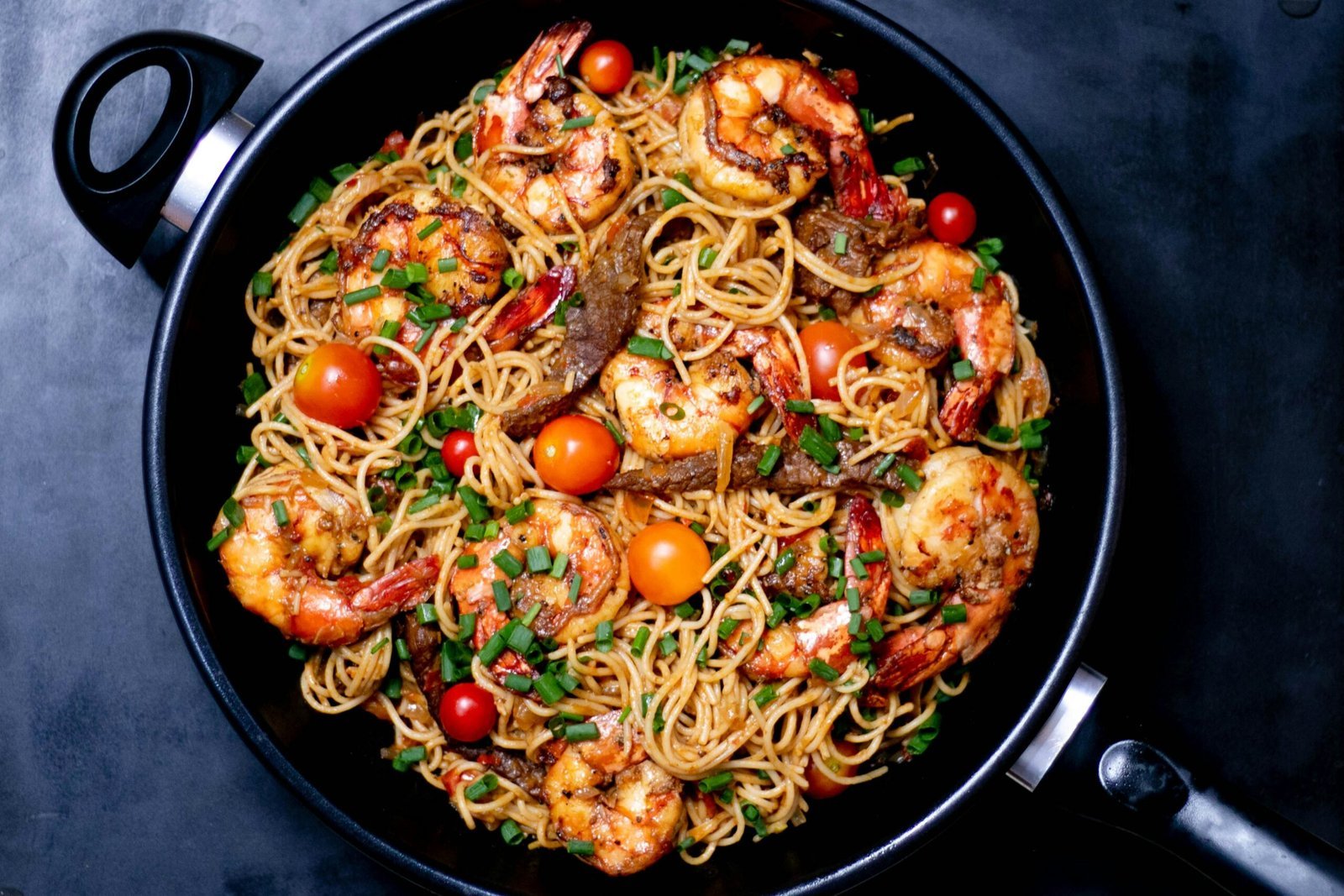
At its heart, Spaghetti Aglio e Olio showcases the beauty of minimalism in cooking. Using only a handful of ingredients, this dish embodies the Italian philosophy of enhancing the natural flavors of high-quality products. The garlic provides a fragrant aroma, while the olive oil creates a lush, silky texture that coats the spaghetti perfectly. The addition of chili flakes introduces a delightful heat, making it a favorite for those who appreciate a slight kick in their meal. The dish is not only quick to prepare but also incredibly satisfying, making it an optimal choice for busy weeknights or when entertaining guests.
The convenience of Spaghetti Aglio e Olio lies in its ability to use pantry staples, allowing cooks to whip up an impressive dinner with little effort. It is an excellent representation of how Italian culinary traditions celebrate the use of fresh, simple ingredients to create something truly extraordinary. This dish also serves as a gateway to exploring regional variations and adaptations. As such, Spaghetti Aglio e Olio is more than just a meal; it is a culinary experience that reflects the heart and soul of Italy, inviting all to enjoy its rich flavors and effortless charm.
Ingredients Needed for a Perfect Dish
Ingredients (Serves 4)
✅ For the Pasta:
- 12 oz spaghetti 🍝
- ¼ cup extra virgin olive oil 🛢️
- 4 cloves garlic, thinly sliced 🧄
- 1 tsp red chili flakes 🔥
- ½ tsp salt 🧂
- ¼ tsp black pepper 🌶️
- ¼ cup pasta water (reserved) 💧
- 2 tbsp fresh parsley, chopped 🌿
- Grated Parmesan cheese (optional) 🧀
To prepare a delightful dish of spaghetti aglio e olio with chili flakes, it is essential to gather the right ingredients to achieve an authentic Italian flavor. The cornerstone of this dish is, of course, spaghetti. While both dried and fresh spaghetti can be used, dried spaghetti is commonly preferred for its firm texture, which holds up well to the sauce.
Next, quality olive oil plays a pivotal role in this recipe. An extra virgin olive oil is recommended for its robust flavor and health benefits, as it serves as the foundation for sautéing the garlic and infusing the entire dish with richness. The garlic should be fresh and aromatic, as it is the main flavor agent in this meal. When selecting garlic, look for heads that are firm and free from blemishes, ensuring maximum flavor when minced or sliced.
Chili flakes or crushed red pepper are the key ingredients that provide the desired heat and spice level. The choice of chili flakes can greatly impact the dish’s overall flavor, so opt for higher-quality varieties that offer a balance of heat and flavor. If you enjoy more heat, feel free to add additional flakes according to taste.
In addition to the essential components, several optional ingredients can enhance the dish further. Fresh parsley, when finely chopped and sprinkled on top before serving, not only adds a pop of color but also a fresh herbal note. Parmesan cheese, whether grated or shaved, can also be a delectable addition, providing a nutty richness that complements the simplicity of spaghetti aglio e olio.
By carefully selecting these ingredients, you will create a plate of spaghetti aglio e olio with chili flakes that is both flavorful and satisfying.
Step-by-Step Cooking Instructions
To create a delightful spaghetti aglio e olio with chili flakes, it is essential to follow a precise step-by-step process to ensure optimal flavor and texture. Begin by bringing a large pot of salted water to a rolling boil. It is crucial to use ample salt, as this will season the pasta effectively during cooking. Once boiling, add approximately 400 grams of spaghetti to the pot. Stir occasionally to prevent the strands from sticking together. Cook the pasta until al dente, which typically takes around 8 to 10 minutes, but be sure to check the package instructions for the precise timing.
While the pasta cooks, prepare the sauce by heating a generous amount of extra virgin olive oil, around 60 milliliters, in a large skillet over medium-low heat. It is important not to overheat the oil, as this can lead to burnt garlic. Once the oil is warmed, add 4 to 6 thinly sliced garlic cloves, allowing them to infuse the oil gently. Sauté until the garlic turns golden and fragrant, usually in about 2 minutes. This step is critical, as perfectly sautéed garlic will provide the foundational flavor of the dish.
Next, incorporate 1 to 2 teaspoons of chili flakes during the last minute of sautéing to achieve a harmonious balance of heat and flavor. When the spaghetti is ready, reserve a half cup of the pasta cooking water and then drain the pasta. Immediately transfer the drained spaghetti into the skillet with the garlic and oil. Toss the pasta to coat evenly with the fragrant oil, and if necessary, add a bit of the reserved pasta water to achieve the desired sauce consistency.
To serve, plate the spaghetti aglio e olio and finish with a drizzle of high-quality olive oil and a sprinkle of fresh parsley or grated Parmesan cheese if desired. This simple yet flavorful dish is best enjoyed fresh, as it showcases the vibrant elements of Italian cuisine.


Tips for Customizing Your Spaghetti Aglio e Olio
Spaghetti Aglio e Olio is a beautifully simple dish, yet it offers a wonderful canvas for customization to suit various tastes and preferences. One popular option for enhancing this Italian classic is by adding vegetables. Ingredients such as fresh spinach, cherry tomatoes, or sautéed bell peppers not only add visual appeal but also enrich the nutritional profile and flavor. These vegetables can be incorporated into the dish with little effort, enhancing the overall dish experience.
Incorporating proteins is another excellent way to personalize your spaghetti. Options like sautéed shrimp, grilled chicken, or even plant-based proteins, like tofu or tempeh, can transform your Aglio e Olio into a more filling meal. The addition of proteins not only makes the dish more substantial but also introduces new flavors that can harmoniously blend with the garlic and chili flakes.
Another avenue for customization lies in the use of different oils or spices. While traditional Aglio e Olio typically utilizes olive oil, experimenting with flavored oils, such as basil or chili-infused olive oil, can elevate the dish to new flavor heights. The choice of chili flakes also plays a significant role in the dish’s overall heat level. For those who enjoy a mild kick, opting for less pungent varieties or using crushed red pepper in moderation can create a more balanced flavor profile. Conversely, those who prefer a robust heat may want to explore different types of chili flakes, such as Aleppo pepper or Korean gochugaru, which provide varying degrees of spiciness while introducing unique flavor nuances.
Ultimately, the beauty of Spaghetti Aglio e Olio rests in its versatility. By integrating various ingredients, whether they be vegetables, proteins, or alternate spices, you can tailor this timeless dish to perfectly match individual preferences.