
Introduction to Sauerbraten
Sauerbraten, often celebrated as the “king of German roasts,” is a revered dish that holds a significant place in German culinary tradition. Its roots can be traced back several centuries, with references dating to the 17th century. The dish typically consists of a pot roast, predominantly made with beef, although pork, lamb, and even venison can be utilized, depending on regional variations and personal preferences.
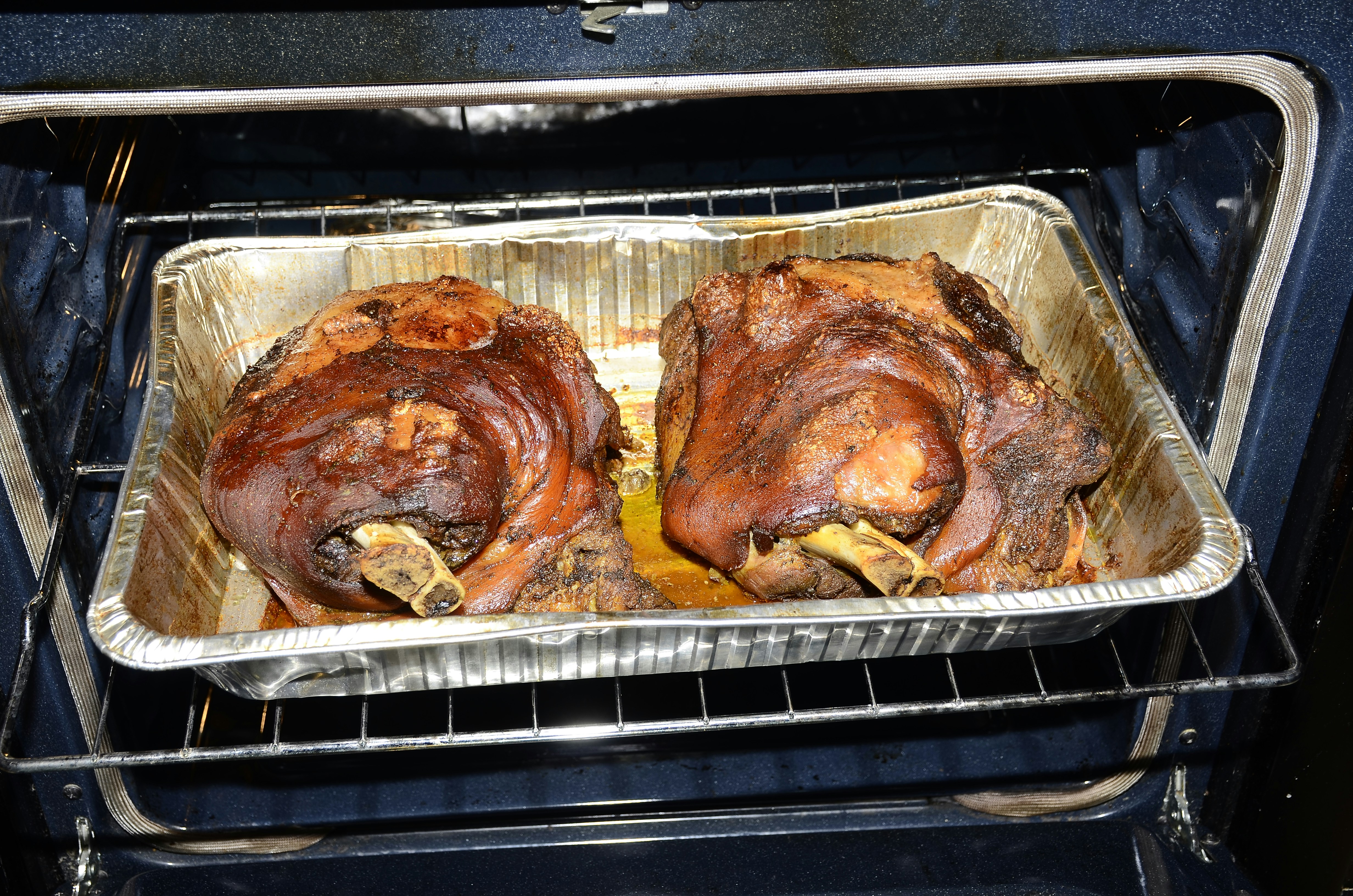
The culinary appeal of Sauerbraten lies in its marination process, which distinguishes it from other roasts. The primary ingredient, which is a well-marbled cut of meat, is commonly marinated for several days in a mixture of vinegar, water, spices, and vegetables. This tenderizing method not only enhances the flavor of the meat but also contributes to its hallmark tangy flavor, an attribute that defines Sauerbraten and sets it apart from other pot roasts.
Sauerbraten’s cultural significance extends beyond its taste; it is often associated with German family gatherings and festive occasions. Traditionally, it is served with side dishes such as red cabbage, potato dumplings, or boiled potatoes, making it a hearty meal that brings people together. The preparation tends to be collaborative, allowing family members to partake in the cooking process, reinforcing bonds and creating lasting memories.
The dish is often regarded as a symbol of German culinary heritage, embodying the values of patience and perseverance through its lengthy marination and cooking times. Each family often has its own variation, highlighting the regional diversity within Germany. As Sauerbraten continues to be enjoyed across generations, it flourishes as a delightful representation of German hospitality and tradition.
The Marination Process
✅ Ingredients
For the Marinade:
- 2 cups (500 ml) red wine vinegar
- 2 cups (500 ml) water
- 1 cup (250 ml) red wine (dry)
- 2 onions, sliced
- 2 carrots, chopped
- 2 celery stalks, chopped
- 5 cloves
- 8–10 juniper berries (crushed)
- 2 bay leaves
- 8–10 black peppercorns
- 1 tsp salt
For the Roast:
- 3–4 lb (1.5–2 kg) beef roast (bottom round or rump)
- 2 tbsp oil or clarified butter
- 1 tbsp sugar
- 2–3 tbsp all-purpose flour
- 1/2 cup (75 g) raisins (optional)
- 2–3 ginger snap cookies (crushed) or 1–2 tbsp brown sugar (for thickening)
- Salt and pepper, to taste
The marination process is a cornerstone in the preparation of Sauerbraten, significantly influencing both flavor and texture. Traditionally, the marinade consists of a blend of vinegar—usually red wine or malt vinegar—alongside an array of spices and herbs. Commonly used ingredients include bay leaves, cloves, allspice, and juniper berries. These components work synergistically to penetrate the meat, imparting rich, complex flavors while also aiding in tenderizing the beef. The acidity from the vinegar plays a vital role, breaking down the muscle fibers and making the meat more succulent.
This intricate process typically requires a prolonged marination time, often spanning three to five days. It is during this period that the beef absorbs the flavors from the marinade, resulting in a more profound taste experience. Chefs recommend placing the beef in a non-reactive container, such as glass or ceramic, to prevent any adverse chemical reactions with the acidic ingredients. Furthermore, ensuring that the meat is fully submerged in the marinade will enhance overall flavor penetration.
Regional variations of Sauerbraten often reflect diverse marination methods. For example, in some areas, additional sweet elements, such as sugar or raisins, are incorporated to balance the acidity of the vinegar. Family traditions may also dictate the choice of spices, leading to a unique blend that typifies different household recipes. This adaptability in the marination process allows for a multitude of interpretations of Sauerbraten, highlighting the dish’s cultural significance across Germany.
In achieving the best results, it is crucial to monitor the marination time closely. Over-marinating can lead to compromise in texture, making the beef overly soft or mushy. Engaging in a trial and error approach may ultimately yield the most satisfying outcomes. Understanding these marination nuances enhances the ability to create a true representation of Sauerbraten, ensuring the dish remains a cherished part of culinary tradition.
Cooking Techniques and Preparation
Sauerbraten, renowned as the king of German roasts, is often prepared using various techniques that enhance its flavor and tenderness. The traditional method involves pot roasting, where the marinated beef, usually from the shoulder or round, is subjected to low and slow cooking for several hours. Before the slow braising process, searing the meat is an essential step. This technique involves browning the meat on all sides in a hot pan, creating a rich, caramelized crust that not only adds depth of flavor but also helps to lock in the juices during cooking.
Once seared, the beef is typically simmered in a marinade composed of vinegar, water, onions, and a blend of aromatic spices, including bay leaves, juniper berries, and peppercorns. This marinade not only infuses the meat with a distinctive tanginess but also acts as a tenderizer. The slow cooking process allows the connective tissues in the meat to break down, resulting in a succulent and fork-tender dish that is the epitome of comfort food.

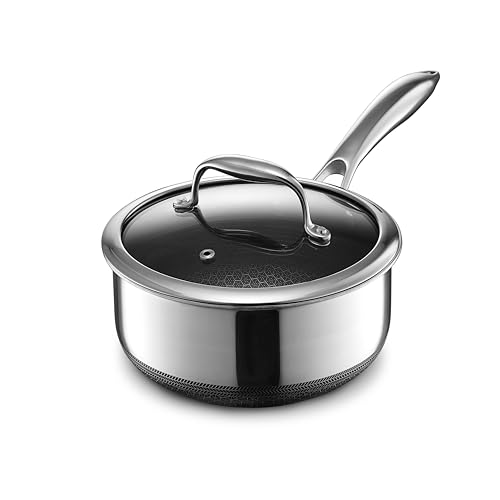
Modern adaptations have also emerged, with some cooks opting for pressure cookers or slow-cookers to reduce cooking time while still achieving delightful results. Regardless of the method utilized, ensuring that the Sauerbraten is cooked to the desired doneness is paramount. Accompanying this classic dish are traditional side dishes and accompaniments, which play a vital role in the overall dining experience. Common pairings include red cabbage, potato dumplings, or spätzle, all of which complement the rich flavors of the Sauerbraten. These sides not only enhance the meal but also reflect the heartiness and warmth characteristic of German cuisine.
Serving Suggestions and Pairing
Once your Sauerbraten is ready, presenting it in an appealing manner significantly enhances the dining experience. To elevate the dish for family gatherings or special occasions, consider plating the Sauerbraten on a large, rustic serving platter. Slice the roast into thick, juicy pieces and arrange them neatly. Pour the rich, aromatic gravy over the meat, allowing it to cascade enticingly. Garnishing with fresh herbs, such as parsley or thyme, not only adds a pop of color but also complements the flavor profile of the dish.
When it comes to beverage pairings, a well-chosen drink can enhance the enjoyment of Sauerbraten. A full-bodied red wine, such as a German Spätburgunder (Pinot Noir) or a robust Cabernet Sauvignon, works well to complement the rich, savory notes of the roast. If you prefer beer, opt for a malty Märzen or a German dunkel, as these varieties can enhance the meal’s flavors. For non-alcoholic options, a sparkling apple cider or a refreshing herbal iced tea can provide a delightful contrast to the hearty dish.
A traditional accompaniment to Sauerbraten includes warm red cabbage, which introduces a tangy sweetness that balances the flavors. Potato dumplings or buttery mashed potatoes are also excellent choices, as they soak up the luscious gravy beautifully. Additionally, consider serving a side of sautéed green beans or roasted Brussels sprouts for a touch of brightness and color on the plate.
Leftovers from Sauerbraten also offer wonderful opportunities for creative meal preparation. Chopped leftover meat can be repurposed into hearty soups, stews, or sandwiches, ensuring that none of its deliciousness goes to waste. By thoughtfully considering these serving suggestions and pairings, you can create a delightful dining experience centered around Sauerbraten.