
Understanding the Ingredients
Baking authentic French baguettes necessitates a clear comprehension of the essential ingredients that contribute to their distinct texture and flavor. The primary components include flour, water, yeast, and salt. Each of these ingredients plays a crucial role in the overall baking process.
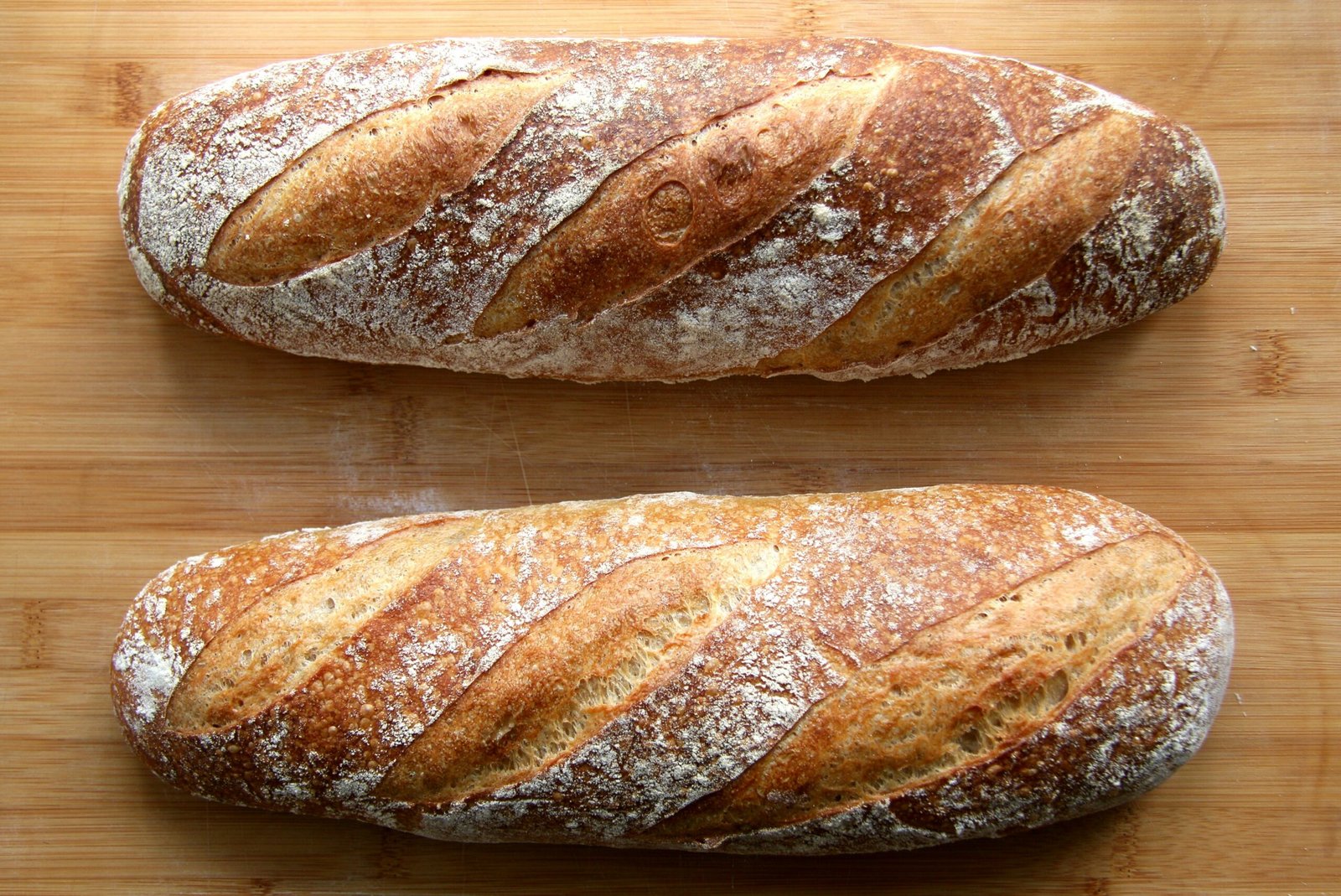
Flour is the backbone of any baguette. Ideally, French bakers use type 55 flour, which has a moderate protein content that contributes to the desired chewiness and crust formation. This flour is finely milled and contains sufficient gluten to help the dough rise appropriately, resulting in a light and airy interior. For those unable to find type 55 flour, an all-purpose flour with similar protein content can serve as a suitable alternative, although it may slightly affect the final texture.
Water is another fundamental ingredient, as it hydrates the flour, activating gluten formation. The temperature of the water also influences fermentation and yeast activity. For optimal results, lukewarm water is recommended since it aids in a balanced rise without activating the yeast too rapidly.
Yeast is vital for leavening the dough, ensuring it rises properly and develops airiness. While fresh yeast can be used, active dry yeast is a practical option for home bakers due to its ease of use and availability. It is essential to ensure the yeast is fresh, as expired yeast can significantly hinder dough fermentation.
Salt serves multiple functions in baguette preparation. It not only enhances flavor but regulates yeast activity and strengthens gluten structure, resulting in better dough elasticity. However, the salt must be used judiciously; too much can inhibit yeast fermentation.
To achieve high-quality baguettes, sourcing premium ingredients is of utmost importance. Local organic mills or specialty stores often carry the best options, ensuring that each component contributes to a superior final product. By understanding the role of each ingredient, bakers can create authentic French baguettes that reflect traditional craftsmanship.
The Art of Kneading and Fermentation
🛒 Ingredients (Makes 2 Baguettes)
✅ 3½ cups (450g) bread flour
✅ 1½ tsp salt 🧂
✅ 1 tsp sugar
✅ 1 tsp active dry yeast
✅ 1¼ cups (300ml) lukewarm water 💧
Kneading and fermentation are essential processes in the creation of authentic French baguettes, significantly influencing the bread’s texture and flavor. To start, kneading the dough develops its gluten structure, which is crucial for achieving that characteristic chewy yet airy consistency. Typically, this process involves folding and pressing the dough with the palms and heels of your hands. The goal is to align gluten strands, which can take around 10 to 15 minutes of consistent work. It is important to recognize that dough hydration levels and flour types can impact how much kneading is needed; wetter doughs may require a gentler touch, while drier blends demand more effort.
After kneading, the dough enters the fermentation phase, where time and environment play pivotal roles. This period allows flavors to develop and the dough to rise. Often referred to as bulk fermentation, this initial phase typically lasts from one to three hours, depending on the ambient temperature and specific recipe guidelines. As the dough ferments, it should roughly double in size. A warmer environment speeds up fermentation, while cooler climates may necessitate an extended duration. Proper fermentation contributes significantly to the baguette’s overall taste and structure.
Following bulk fermentation, the dough requires a secondary fermentation known as proofing. This step is crucial for shaping the baguette and ensuring it maintains a light texture. Proofing usually lasts around 30 to 60 minutes, and it is vital to monitor the dough closely; over-proofed dough can collapse and lead to a dense final product, whereas under-proofed dough may not expand properly in the oven. During both fermentation phases, precise timing and controlled temperature management will yield the best results, ensuring that your baguettes rise beautifully and develop a rich, authentic flavor.
Shaping and Scoring the Baguettes
Shaping the baguettes is a crucial step in achieving the traditional long and thin form so characteristic of authentic French bread. Once the dough has undergone its first rise, gently turn it out onto a lightly floured surface. Begin by dividing the dough into equal pieces, typically ranging from 300 to 400 grams, which are ideal weights for individual baguettes. Each piece should then be delicately pre-shaped into a loose rectangle to promote a tender crumb.
To shape the dough accurately, take one piece and flatten it gently into an oval. Use your fingers to fold the dough over itself, pressing lightly to seal it. Rotate the dough and repeat this folding process, which helps to create surface tension. Once this is complete, flip the dough seam-side down and gently roll it outwards, extending it to about 14 to 16 inches in length. This extended form is essential to achieve the signature baguette structure while ensuring that the crumb remains airy and light.
Maintaining the shape during baking is just as important. After shaping, allow the baguettes to rest briefly under a damp cloth. This process helps relax the gluten, which can ease any resistance to the shape you’ve created. Following this, it is necessary to score the baguettes before baking. Scoring involves making shallow cuts on the surface of the dough, allowing it to expand uniformly in the oven. Various scoring patterns can be utilized, which not only control the bread’s rise but can also enhance its visual appeal. Classic options include diagonal slashes or a simple cross pattern, which create an attractive crust while ensuring proper steam release during the baking process.
Baking and Storing Your Baguettes



To achieve the perfect authentic French baguette at home, proper baking techniques must be employed. Begin by preheating your oven to a temperature between 475°F and 500°F (245°C to 260°C). This high heat is essential for achieving a crispy crust. To generate steam in the oven, place a shallow pan filled with water on the bottom rack before the baguettes go in. The steam will help to create a glossy crust while also preventing the dough from hardening too quickly. As you score the dough with a sharp blade, this allows for controlled expansion as the baguettes bake.
When placing the baguettes in the oven, ensure they are spaced apart to allow for proper air circulation. Bake the baguettes for approximately 20-25 minutes, but keep an eye on them near the end of the baking time. The ideal crust should be a deep golden-brown. If your baguettes are undercooked and pale, simply return them to the oven for an additional 2-5 minutes; conversely, should they begin to darken too much, consider lowering the oven temperature slightly. An instant-read thermometer can be a helpful tool; a properly baked baguette should register around 205°F (96°C) internally.
Once baked, remove the baguettes from the oven and allow them to cool on a wire rack. Proper cooling prevents moisture accumulation that can make the crust soggy. For storage, keep the baguettes at room temperature in a paper bag for a day or two. To preserve freshness longer, consider wrapping them in plastic wrap and freezing. When ready to enjoy, reheat the baguettes in a preheated oven at 375°F (190°C) for about 5-10 minutes to restore their delightful crust and warmth, ensuring you still taste that fresh-baked quality days later.