
Introduction to Swabian Cuisine
Swabian cuisine, rooted in the southwestern region of Germany, particularly in the state of Baden-Württemberg, is a rich tapestry of flavors, traditions, and culinary techniques shaped by its unique historical contexts. This distinctive culinary style is influenced by the agrarian lifestyle and the availability of local ingredients, resulting in hearty, comforting dishes that reflect the warmth of Swabian hospitality. It embodies a sense of community, where meals are often enjoyed together, reinforcing social bonds and cultural heritage.
The history of Swabian cuisine can be traced back several centuries, evolving through various phases, including the influence of neighboring regions and the availability of seasonal ingredients. Traditional dishes often feature staple components such as potatoes, flour, and various forms of meat, alongside a range of vegetables. This reliance on local produce not only captures the essence of the region’s agricultural practices but also emphasizes sustainability, as recipes are passed down through generations, adapting to regional changes and tastes.
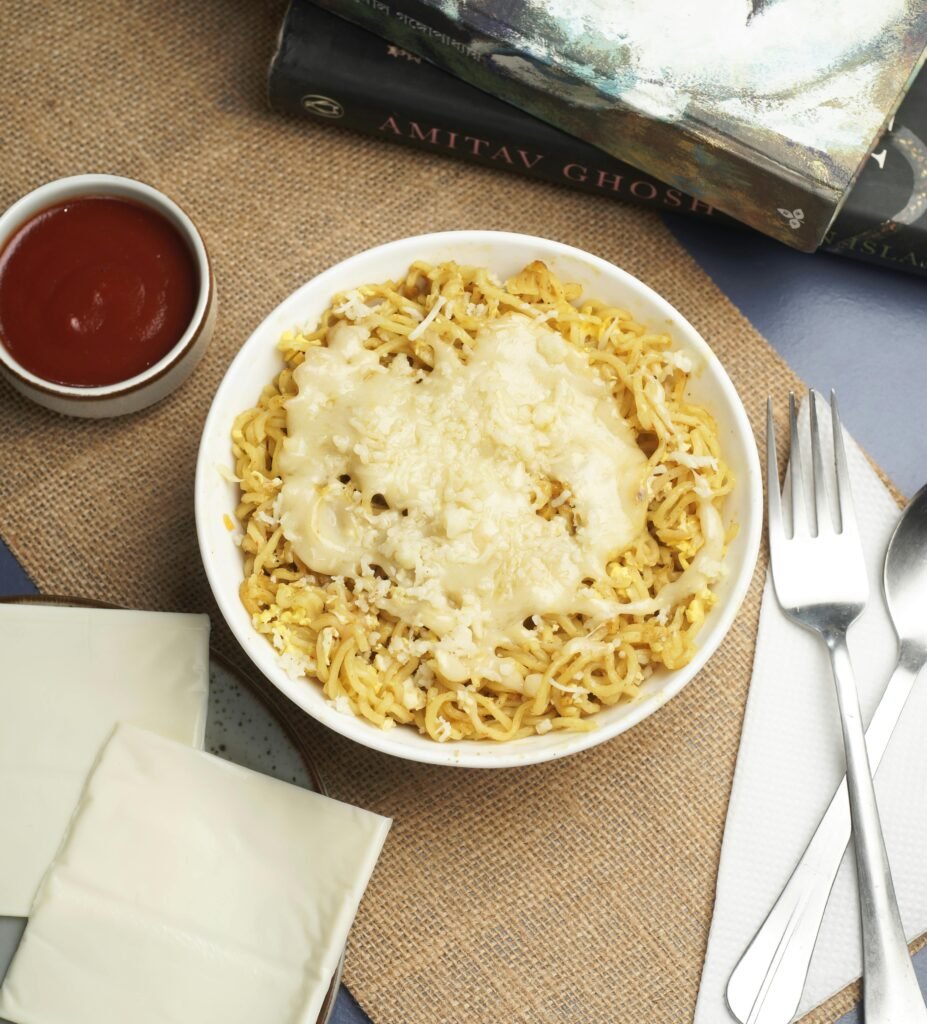
Among the most beloved dishes within Swabian cuisine is Käsespätzle, a delightful representation of the culinary identity of this region. Often referred to as the Swabian answer to macaroni and cheese, Käsespätzle showcases soft egg noodles tossed with melted cheese and topped with crisp onions. This dish perfectly encapsulates the comfort food sentiment prevalent in the region, providing warmth and sustenance during cold winters and special family gatherings. Beyond its delicious taste, Käsespätzle serves as a reminder of the cultural significance of food in Swabian society, where each meal tells a story of tradition and communal spirit.
As we delve deeper into Swabian cuisine, we encounter not just a collection of recipes but a vibrant culinary narrative that illustrates the region’s history, its people, and the values they hold dear.
What is Käsespätzle?
Käsespätzle is a traditional dish that holds a cherished place in Swabian cuisine. This hearty specialty features a combination of homemade egg noodles, known as spätzle, which serve as the foundation for the dish. The preparation of spätzle involves a simple mixture of flour, eggs, and salt, which can be enhanced with a touch of water or milk to achieve the desired consistency. The dough is then fed through a spätzle maker or a colander into boiling water, where the noodles are cooked until they float, indicating they are ready to be removed and set aside.
Once the spätzle is prepared, the true magic of Käsespätzle begins. A generous layer of caramelized onions is added, creating a sweet and savory contrast to the noodles. Furthermore, the addition of melted cheese is a quintessential element in achieving the dish’s creamy texture. Traditionally, a blend of regional cheeses, such as Emmental or Gruyère, is used to enhance the flavor profile, offering rich, gooey layers that intermingle beautifully with the noodles and onions.
While the classic Käsespätzle recipe remains popular across many households, it inspires various regional adaptations. In some areas, additional ingredients such as bacon or seasonal vegetables are included, providing a unique twist while still maintaining the essence of the dish. Each variation allows cooks to showcase local flavors and ingredients, yielding a delightful experience for any palate. The importance of high-quality ingredients cannot be overstated; using fresh eggs, artisan cheeses, and locally sourced onions elevates Käsespätzle from a simple dish to a cherished culinary tradition. This combination of wholesome ingredients and time-honored techniques forms the cornerstone of Käsespätzle’s enduring appeal, making it a beloved meal for both locals and visitors alike.
The Comforting Experience of Käsespätzle
Käsespätzle is more than just a dish; it embodies the spirit of comfort food, bringing warmth and nostalgia to the dining experience. Originating from the Swabian region in Germany, this delightful meal combines soft egg noodles, rich, gooey cheese, and sweet caramelized onions. The moment one takes a bite of Käsespätzle, they are enveloped in a sensory experience that is both hearty and indulgent. The contrast between the tender noodles and the melted cheese creates a texture that is satisfying to the palate. This unique combination gives Käsespätzle its distinct character, serving as a reminder of home-cooked meals that foster a sense of belonging and comfort.
In addition to its comforting qualities, Käsespätzle invites social interactions, making it a cherished dish among family and friends. The act of gathering around a table to share plates of Käsespätzle fosters connection and creates lasting memories. Whether it is a festive occasion or an ordinary weekday meal, the experience of enjoying Käsespätzle is often accompanied by laughter and conversation. In many households, recipes for Käsespätzle are passed down through generations, carrying with them stories and traditions that enhance the communal aspect of dining.
The richness of Käsespätzle lies not only in its delicious flavor but also in its ability to evoke feelings of warmth and familiarity. It serves as a vehicle for connection, bringing people together to enjoy the simple pleasures of good food and shared moments. The embrace of this traditional dish offers a comforting reminder of home, reinforcing bonds with loved ones. In conclusion, Käsespätzle stands as a symbol of Swabian culture, showcasing how food can reflect the essence of comfort and community in our daily lives.
How to Make the Perfect Käsespätzle at Home
📝 Ingredients:
- 300 g (2½ cups) all-purpose flour
- 4 large eggs
- 100 ml (just under ½ cup) water (or milk for a richer dough)
- 1 tsp salt
- A pinch of nutmeg (optional)
- Butter for tossing or frying
Preparing Käsespätzle at home can become an enjoyable culinary experience that evokes the heart of Swabian traditions. The essential ingredients include flour, eggs, water, a pinch of salt, and cheese, typically Emmental or a mix of cheeses for enhanced flavor. The process begins with creating the dough; combine the flour and salt, then gradually incorporate the eggs and water until a thick batter is formed. It’s crucial to achieve a consistency that allows the dough to slide through a spätzle press or colander into boiling water.
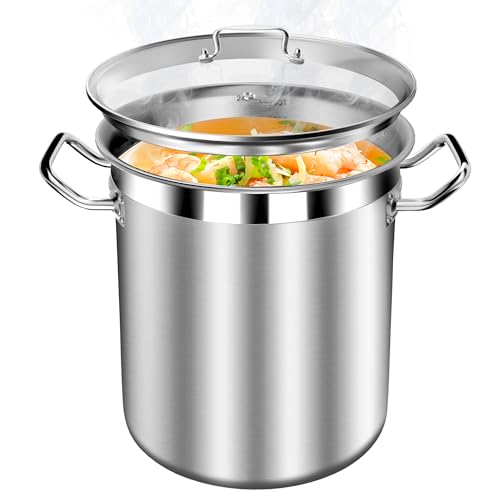
Once the dough is prepared, boil a large pot of salted water and use a spätzle maker or colander to create small dumplings by pressing the dough through in batches. They are ready to be removed when they float to the surface. This cooking method not only ensures a pleasant texture but also maximizes flavors. After cooking, promptly rinse the spätzle in cold water to halt cooking and prevent clumping.
The next step involves the cheese incorporation. In a skillet, melt butter and layer the spätzle and cheese to create a delightful mix. Gently toss until the cheese melts and coats the spätzle, forming strings of cheesy goodness. To elevate the dish, consider caramelizing onions in the same skillet to add depth and sweetness to your Käsespätzle. This pairing reflects traditional preparation methods that many Swabian families cherish.


To complete your meal, consider serving Käsespätzle with a crisp green salad or a light soup to balance the richness. As for beverages, local German beers or crisp white wines beautifully complement the dish. Each cook may have their variations; feel free to experiment with different cheeses or the addition of herbs like chives for a personal touch. Preparing Käsespätzle is not just about the dish itself; it embodies the joy of sharing a beloved recipe while creating lasting memories with loved ones.