
Introduction to Vegetable Rice Pilaf
Vegetable rice pilaf is a delightful dish characterized by its fluffy texture, infused with aromatic flavors and colorful vegetables. Traditionally, pilaf refers to a method of cooking rice in a seasoned broth, often accompanied by various vegetables and spices. This culinary technique has roots in diverse cultures, with variations found across the Middle East, South Asia, and Mediterranean regions. The base of the dish typically consists of long-grain rice, such as basmati or jasmine, which absorbs the flavors of the ingredients while remaining distinct in texture.
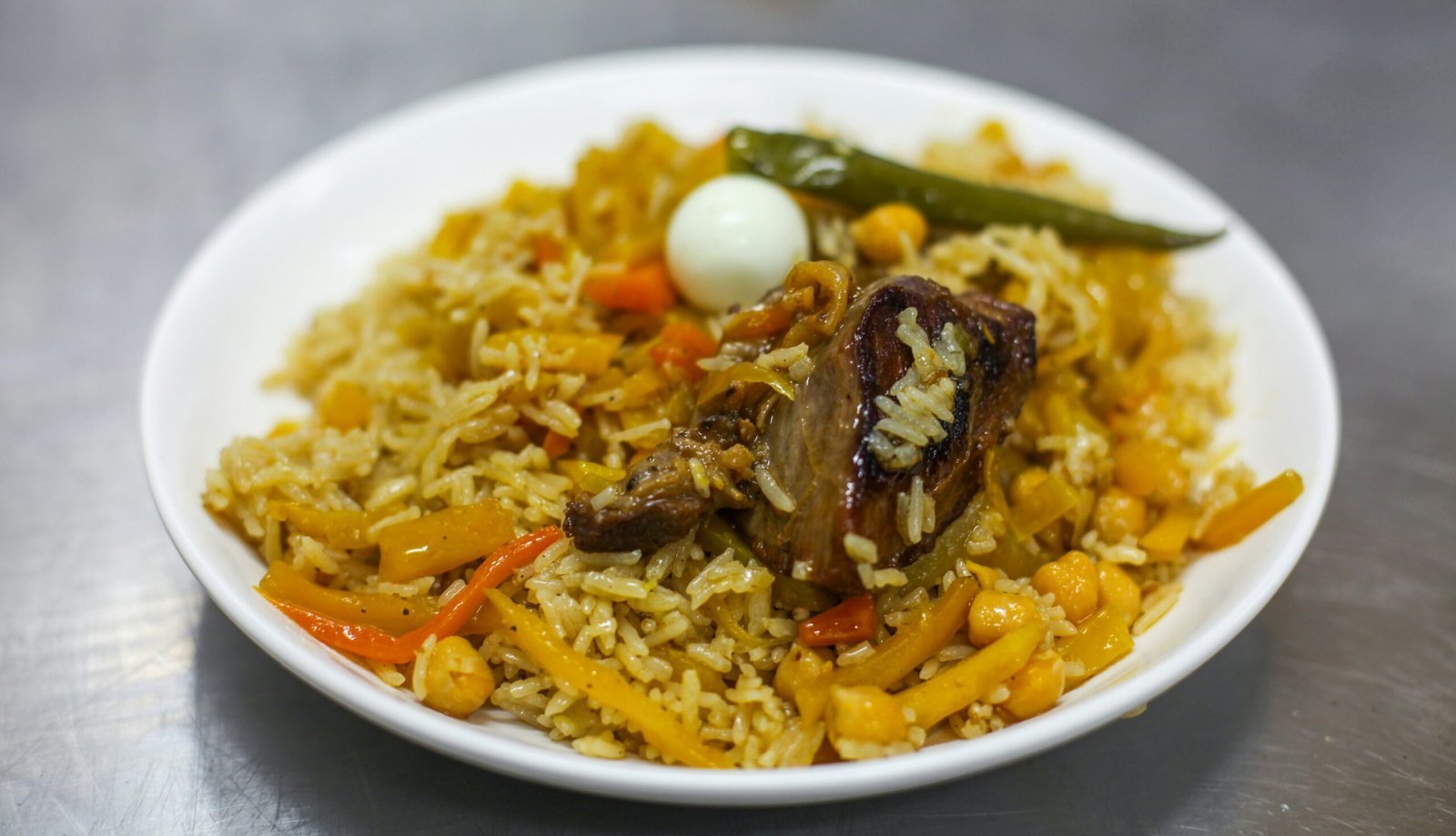
The appeal of vegetable rice pilaf lies not only in its harmonious blend of ingredients but also in its versatility. It can be served as an elegant side dish or elevated to a main course by adding protein sources like beans or nuts. Chefs and home cooks alike appreciate the balance of taste and nutrition that this dish offers. The inclusion of vibrant vegetables adds visual appeal while providing essential nutrients, making it a popular choice among individuals seeking healthy meal options.
Incorporating a variety of colorful vegetables into the vegetable rice pilaf not only enhances its aesthetic charm but also contributes significantly to its health benefits. Vegetables such as bell peppers, carrots, peas, and spinach are renowned for their high vitamin and mineral content. These ingredients provide dietary fiber, antioxidants, and essential nutrients that support overall health. The preparation of a vegetable rice pilaf allows for creativity in the kitchen, as various seasonal vegetables can be integrated, making it an adaptable option for any culinary enthusiast.
Through this exploration of vegetable rice pilaf, readers will gain an appreciation for both its rich history and its potential as a nourishing meal. This introductory section serves as a foundation, paving the way for the recipe that follows, which will showcase how to prepare this delicious and health-conscious dish.
Ingredients and Preparation
Ingredients for Vegetable Rice Pilaf (Serves 4–6)
✅ For the Pilaf:
- 1 ½ cups long-grain white rice 🍚
- 2 tbsp olive oil or butter 🛢️🧈
- ½ small onion, finely chopped 🧅
- 2 cloves garlic, minced 🧄
- 1 small carrot, diced 🥕
- ½ cup bell pepper, diced (any color) 🫑
- ½ cup peas or green beans 🌿
- 3 cups vegetable broth 🍵
- ½ tsp cumin 🌿
- ½ tsp turmeric (for color and flavor) ✨
- Salt & black pepper, to taste 🧂
✅ For Serving (Optional):
- Fresh parsley, chopped 🌿
- Lemon wedges 🍋
To create a delicious and vibrant vegetable rice pilaf, the selection of fresh ingredients is crucial. The primary components required for this dish include long-grain rice, ideally Basmati or Jasmine, known for their fluffy texture and ability to absorb flavors. You will also need a selection of colorful vegetables to enhance both the taste and nutrient profile of the pilaf. Fresh carrots, peas, and bell peppers are excellent choices, providing a mix of sweetness and crunch.
In terms of quantities, you will typically need one cup of rice, which serves as the base, along with half a cup each of diced carrots, peas, and bell peppers. Additionally, two tablespoons of olive oil or butter will help sauté the vegetables and impart richness to the dish. For flavor enhancements, include one medium onion, finely chopped, and two cloves of garlic, minced. Seasonings such as salt, pepper, and a pinch of cumin or turmeric can elevate the dish and create a more aromatic experience.
To prepare vegetable rice pilaf, start by rinsing the rice under cold water until the water runs clear. This step removes excess starch and prevents the rice from becoming gummy. In a suitable pot, heat the olive oil over medium heat and add the chopped onion, sautéing it for about three minutes until it turns translucent. Next, incorporate the minced garlic, cooking for an additional minute until fragrant.
Add the diced carrots and bell peppers to the pot, stirring for about five minutes. Then, introduce the rinsed rice and stir to coat it with the vegetable mixture, allowing the grains to toast for about two minutes. Pour in two cups of vegetable broth or water, and stir in the peas. Bring the mixture to a gentle boil, then reduce the heat to low, cover the pot, and allow it to simmer for approximately 15-20 minutes, or until the rice is tender and has absorbed all the liquid. Once cooked, fluff the rice gently with a fork before serving. This delightful light dish can serve as a perfect side or a main meal, showcasing the vibrant vegetables beautifully.
Cooking Techniques and Tips
When preparing vegetable rice pilaf, the cooking techniques employed can significantly impact the final flavor and texture of the dish. One essential method to master is sautéing the vegetables. Begin by heating a suitable amount of olive oil or butter in a heavy-bottomed pan over medium heat. Once the oil is shimmering or the butter is melted, add your chosen vegetables, such as onions, carrots, and bell peppers, and allow them to soften and develop their natural sweetness. This process not only builds a solid flavor base but also promotes a pleasing texture.
Another crucial technique is toasting the rice. Before adding liquid, consider toasting the uncooked rice for several minutes in the same pan where you sautéed your vegetables. This step enhances the nutty flavor of the rice and can improve the overall taste of the pilaf. Stir the rice occasionally to prevent it from sticking to the pan, ensuring even browning. Once it reaches a light golden color, you can add your preferred cooking liquid, such as vegetable broth or water, to infuse the rice with additional flavor.
Adjusting the cooking times based on the types of rice used is also vital. Long-grain rice typically requires about 15-20 minutes of cooking, while short-grain or brown rice may need a longer time to achieve the desired texture. To prevent the rice from becoming mushy, it is beneficial to check for doneness periodically and fluff it with a fork once cooked.
Lastly, consider variations and substitutions to accommodate different dietary preferences. Adding ingredients such as chickpeas for protein or replacing traditional rice with quinoa can make the dish more versatile and inclusive. By following these techniques and tips, you will create a delicious vegetable rice pilaf that delights every palate.



Serving Suggestions and Variations
Vegetable rice pilaf is a remarkably versatile dish that can be enjoyed in numerous ways. Whether served as a light main course or a delightful side dish, this recipe offers a perfect balance of flavors and textures. When considering serving options, one could easily pair the pilaf with grilled chicken, fish, or tofu to create a well-rounded meal. The lightness of the vegetable rice pilaf complements these proteins, enhancing the overall dining experience while keeping it nutritious.
In addition to protein pairings, vegetable rice pilaf can also accompany roasted or grilled vegetables. The vibrant colors and flavors of seasonal vegetables, such as zucchini, bell peppers, or asparagus, create a bright contrast with the warm pilaf. This combination not only elevates the presentation but also adds an extra layer of taste. For a heartier meal, consider serving the pilaf alongside a rich curry or stews, where the rice can absorb the delicious sauces.
If you find yourself with leftover vegetable rice pilaf, do not fret; there are innovative ways to repurpose it. One popular option is to blend the pilaf with fresh greens and a light vinaigrette to create a refreshing salad. This transformation takes advantage of the pilaf’s existing flavors while providing a new texture and style. Another fun idea is to shape the leftover pilaf into fritters; simply mix it with egg and breadcrumbs to bind, then pan-fry until golden brown. These fritters make for a scrumptious appetizer or a quick snack.
Encouraging creativity in the kitchen is essential. By exploring the various serving suggestions and variations for vegetable rice pilaf, you can enjoy this dish in multiple forms and discover your personal favorites, ensuring that it remains a staple in your culinary repertoire.