
Introduction to Spanakopita
Spanakopita, a traditional Greek dish, embodies the rich culinary heritage of Mediterranean cuisine. This savory pastry is primarily composed of layers of flaky phyllo dough filled with a luscious mixture of spinach and feta cheese, complemented by aromatic herbs and spices. Originating from Greece, spanakopita has become a beloved dish not only within its country of origin but also across various cultures, appreciated for both its flavor and versatility.
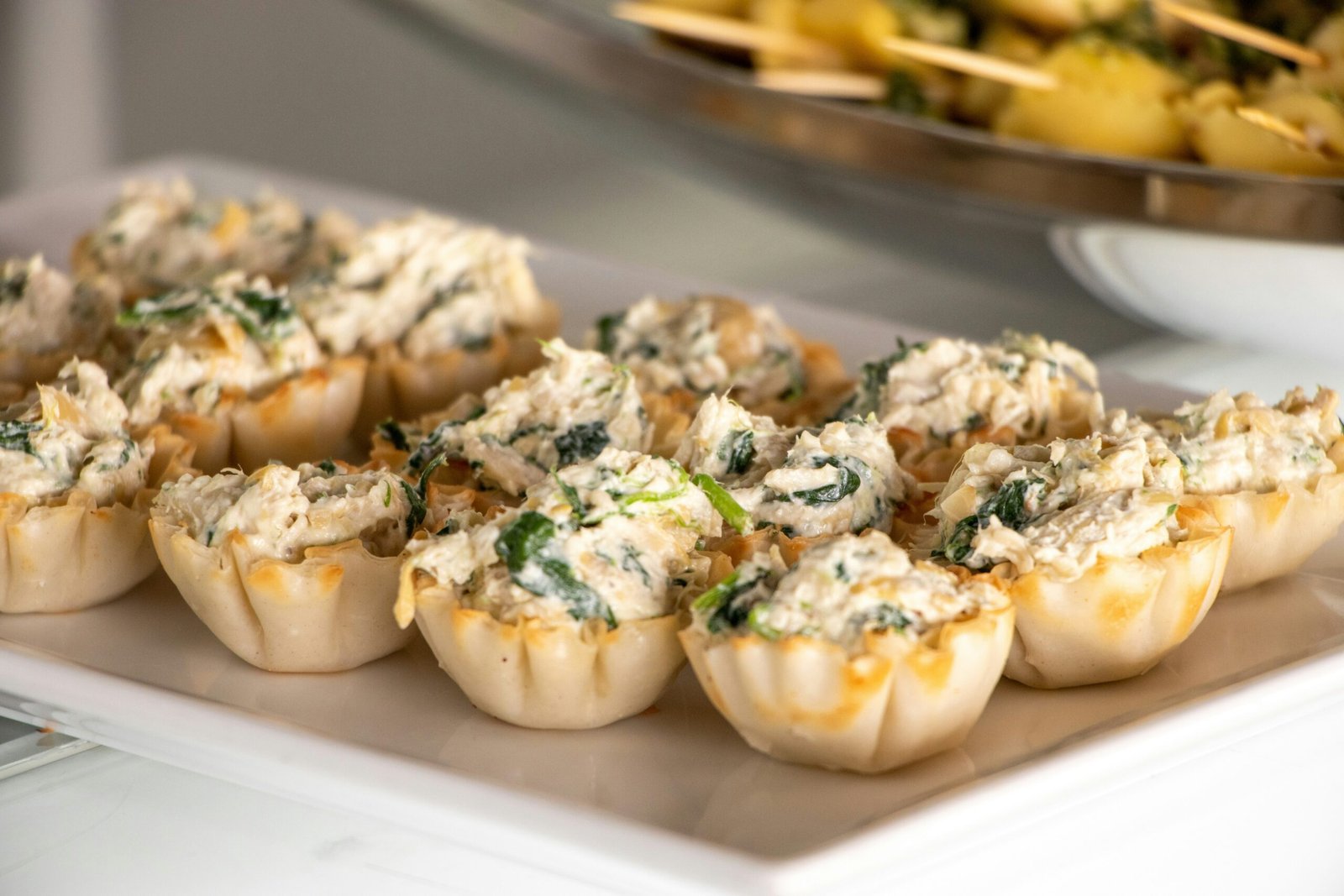
The popularity of spanakopita is evident in its presence at numerous meals, ranging from casual gatherings to elaborate celebrations. It is often served as an appetizer, bringing a burst of flavor to the table, and is also enjoyed as a main course, particularly when accompanied by a refreshing salad. This flexibility allows it to fit seamlessly into diverse dining scenarios, whether informal family dinners or festive occasions like weddings and religious celebrations.
Key Ingredients and Their Benefits
🛒 Ingredients (Serves 6–8)
✅ 500g (1 lb) frozen spinach, thawed and squeezed dry 🥬
✅ 200g (7 oz) feta cheese, crumbled 🧀
✅ 1 small onion, finely chopped 🧅
✅ 2–3 spring onions, chopped
✅ 2 eggs, lightly beaten 🥚
✅ 2 tbsp fresh dill, chopped (or 1 tbsp dried) 🌿
✅ 1 tbsp fresh parsley, chopped 🌿
✅ Salt & pepper, to taste 🧂
✅ 8–10 sheets phyllo dough, thawed 🥧
✅ 1/3 cup olive oil or melted butter (for brushing) 🛢️
Spanakopita, the beloved Greek spinach and feta pie, showcases a harmonious combination of key ingredients, each contributing unique flavors and nutritional benefits to this traditional dish. The primary ingredient, spinach, is renowned for its high nutrient profile. It is packed with vitamins A, C, and K, as well as folate and iron, making it an exceptional addition to a balanced diet. The presence of antioxidants in spinach also helps combat oxidative stress, supporting overall health. Additionally, spinach is low in calories, which makes it an excellent choice for those pursuing weight management.
Feta cheese, another crucial component of spanakopita, adds a creamy texture and tangy flavor that complements the earthiness of spinach perfectly. This cheese is rich in calcium and protein, which are essential for maintaining strong bones and muscle health. Furthermore, feta is a healthier alternative to many other cheeses, offering lower fat content while still delivering robust flavor. The inclusion of feta not only enhances the dish’s taste but also contributes to its nutritional value.
Fresh herbs, such as dill and parsley, are indispensable in spanakopita for their ability to infuse the dish with additional layers of flavor. These herbs not only elevate the overall taste but also offer a range of health benefits. For instance, dill has been shown to have antibacterial properties, while parsley is rich in vitamin K. Using fresh herbs can transform your spanakopita, making it both a flavorful and healthful choice.
Finally, phyllo dough serves as the perfect base for this pie, offering a light and flaky texture that is a delight to bite into. While phyllo itself is low in fat, it is essential to handle it with care, as each layer contributes to that distinct crispiness when baked. Sourcing high-quality phyllo can significantly enhance the final product, making it a crucial element in achieving the ideal spanakopita.
Step-by-Step Preparation Guide
To create a delectable spanakopita, begin by gathering your ingredients, which include fresh spinach, feta cheese, herbs, olive oil, and phyllo dough. First, prepare the filling by washing a generous amount of spinach. Chop it finely and either sauté it in olive oil until wilted or blanch it in boiling water for just a minute. Once cooked, drain the spinach well to remove excess moisture, as this will prevent a soggy filling. Allow it to cool before mixing it with crumbled feta cheese, chopped herbs like dill and parsley, and a dash of pepper for flavor.


Next, it’s time to work on the phyllo dough. Thaw the phyllo overnight in the refrigerator for best results. When working with phyllo, maintain its moisture by covering unused sheets with a damp cloth. Take one sheet, brush it lightly with olive oil, and layer another sheet on top. Repeat this process until you have approximately five sheets layered. This will create a sturdy base for your spanakopita.
Once the base is prepared, place a generous portion of the spinach and feta filling along one edge of the layered phyllo. Carefully fold the dough over the filling to create a log shape, and then gently twist it into a coil or shape it into triangles. Brush the top with olive oil to ensure a crispy finish. Preheat your oven to 375°F (190°C). Bake the spanakopita for 30 to 40 minutes or until golden brown and crisp.
Serving suggestions include pairing spanakopita with a side salad or Greek yogurt for dipping. Should you have any leftovers, they can be stored in an airtight container in the refrigerator for up to three days. Reheat in the oven for a few minutes to restore their crispy texture. This step-by-step guide aims to empower you to recreate this traditional dish effortlessly at home.
Serving Suggestions and Pairings
Spanakopita, the beloved Greek spinach and feta pie, presents a myriad of serving options that elevate its delightful flavors. Traditionally, it is enjoyed as a warm appetizer, often accompanied by a refreshing Greek salad. The crisp freshness of cucumbers and tomatoes, combined with olives and feta cheese, complements the savory filling of the spanakopita beautifully, creating a balanced meal. Drizzling the salad with a light olive oil and lemon dressing accentuates the Greek theme and enhances the overall dining experience.
Another classic accompaniment is tzatziki, a creamy yogurt-based sauce infused with garlic and dill. This cool, tangy dip serves as an excellent contrast to the warm, flaky pastry of spanakopita, inviting guests to enjoy multiple textures and flavors. When serving spanakopita at gatherings, consider presenting it alongside a colorful vegetable platter or roasted seasonal vegetables for added variety and nutrition.
Beverage pairings play a crucial role in complementing spanakopita. A crisp, chilled white wine, such as a Sauvignon Blanc or Assyrtiko, enhances the dish’s flavors, while its acidity cuts through the richness of feta cheese. Alternatively, herbal teas—like mint or chamomile—can offer a soothing contrast when served at more casual settings or brunch gatherings, relaxing guests while honoring the dish’s Mediterranean roots.
Furthermore, spanakopita can adapt to various dining occasions. For casual gatherings, serve it as finger food at parties or picnics, allowing guests to savor its delightful flavors in a relaxed manner. Conversely, for more elegant events, presenting spanakopita on a beautifully arranged platter with garnishes can elevate its sophistication, making it an impressive centerpiece. Its versatility ensures that spanakopita is not just a dish; it is an experience that can bring people together, whether for a simple family meal or an extravagant celebration.