
Introduction to Pelmeni
Pelmeni are traditional Russian dumplings that have captured the hearts and palates of many, both within Russia and beyond its borders. Originating from Siberia, these delightful morsels have a rich history that dates back several centuries. The name “pelmeni” is derived from the Komi-Permyak word “pel’nan,” which translates to “ear bread.” This nomenclature hints at the dumpling’s unique shape, reminiscent of a folded ear.
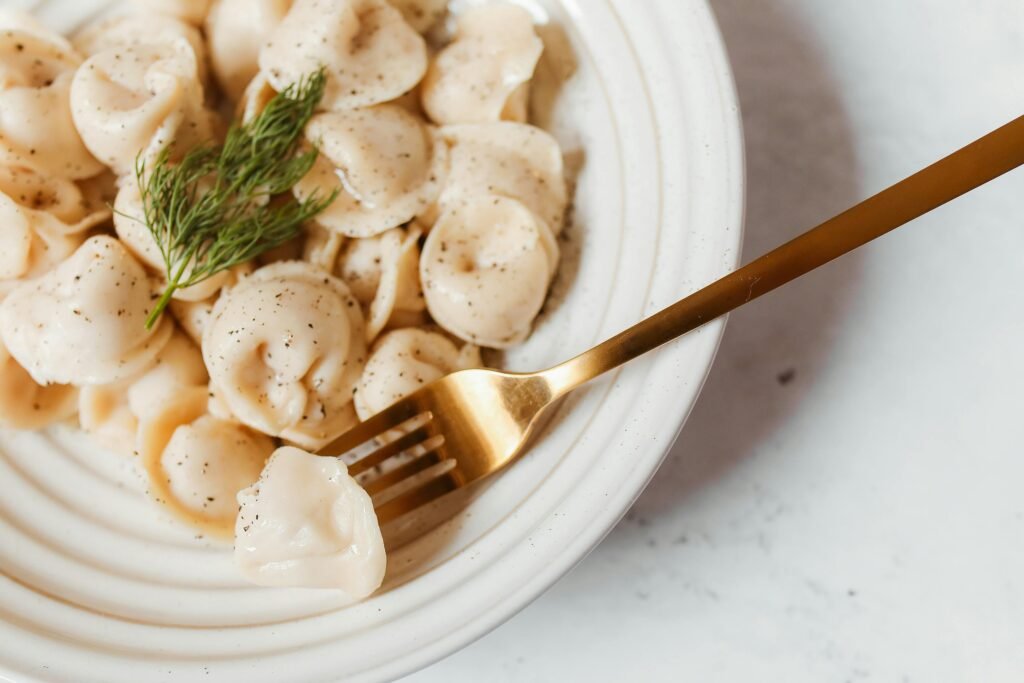
Pelmeni have become particularly popular in various regions of Russia, with each region offering its own twist on the basic recipe. They can be found on dining tables across the country, particularly during special occasions and family gatherings, where they are often served with sour cream or vinegar. The cultural significance of pelmeni extends beyond mere sustenance; they symbolize warmth, family, and tradition in Russian cuisine.
Pelmeni are not only celebrated for their delightful taste but also for their convenience. They can be prepared in advance, frozen, and then cooked quickly, making them an ideal meal option for busy families. As we delve further into the recipe and preparation methods, it becomes clear that pelmeni are more than just dumplings—they are a cherished part of Russian culinary heritage, emblematic of the country’s rich gastronomic traditions.
Ingredients Needed for Pelmeni
📝 Ingredients (makes about 60 dumplings)
For the dough:
- 3 cups all-purpose flour
- 1/2 teaspoon salt
- 1 egg
- 3/4 cup water (cold)
- 1 tablespoon vegetable oil (optional)
For the filling:
- 250 g ground beef
- 250 g ground pork
- 1 small onion, finely grated or minced
- 1 garlic clove, minced (optional)
- Salt and black pepper to taste
- 2 tablespoons cold water or broth (for juicier filling)
To create authentic homemade pelmeni, it is essential to gather quality ingredients that contribute to the overall flavor and texture of this delicious dish. The recipe can be divided into two primary components: the dough and the filling.
Ingredients for the Dough
The basic ingredients required for pelmeni dough include all-purpose flour, salt, and water. For every 1 cup of flour, 1 egg can be added to enhance richness and elasticity. Keeping the dough tender yet firm is critical, so ensure to mix well until a smooth consistency is achieved. When sourcing your flour, opt for high-protein varieties, which are ideal for achieving the perfect dough texture.
Ingredients for the Filling
The filling is where creativity shines, and various options can be explored based on personal preferences. Common types of meat used in pelmeni include beef, pork, and lamb, all of which provide rich flavors. A popular combination is a mix of ground beef and pork for a balanced taste. For those seeking vegetarian alternatives, options such as finely chopped mushrooms, potatoes, or cheese can create delicious fillings that retain the essence of pelmeni.
When preparing the filling, spices like onion, garlic, salt, and pepper enhance the taste. Additionally, consider experimenting with herbs, such as dill or parsley, to add freshness to the mix. If high-quality ingredients are important for your dish, seek locally sourced meats and fresh produce. This careful selection not only ensures better flavor but also supports local farmers. Ultimately, the right ingredients and their careful preparation will make your pelmeni more enjoyable.
Step-by-Step Pelmeni Preparation
Preparing delicious homemade pelmeni begins with the dough. In a large mixing bowl, combine 4 cups of all-purpose flour and 1 teaspoon of salt. Create a well in the center and add 1 large egg, then gradually pour in about 1 cup of water while mixing with a fork. The goal is to form a soft dough. Once combined, knead the dough on a floured surface for approximately 5 to 10 minutes until it becomes smooth and elastic. Cover it with a clean cloth or wrap it in plastic to allow it to rest for at least 30 minutes. This resting period is essential as it helps relax the gluten, making the dough easier to roll out.
While the dough is resting, you can prepare the filling. A traditional pelmeni filling typically consists of ground meat, often a mix of beef and pork. In a sizeable mixing bowl, combine 1 pound of ground meat with finely chopped onion, garlic, salt, and black pepper to taste. Some also prefer adding fresh herbs, such as dill or parsley, to introduce more flavor. Mix the ingredients thoroughly to ensure even distribution of the seasonings.
Once the dough has rested, it is time to roll it out. Divide the dough into two or three portions for easier handling. Roll each portion on a lightly floured surface until it reaches about 1/8-inch thickness. Using a round cutter or a glass, cut out circles of dough, each approximately 3 inches in diameter. Place about a teaspoon of filling in the center of each circle, taking care not to overfill. To form the pelmeni, fold the dough over to create a half-moon shape. Pinch the edges tightly to seal, ensuring no air gets trapped inside.
Finally, cook the pelmeni by bringing a large pot of salted water to a rolling boil. Carefully drop the dumplings in and allow them to cook for about 5-7 minutes, or until they float to the surface. For those seeking a crispy texture, pan-frying the boiled pelmeni in butter until golden brown is an excellent option. Enjoy your homemade pelmeni with sour cream, vinegar, or melted butter for an authentic experience.

Serving Suggestions and Variations
When it comes to serving homemade pelmeni, numerous accompaniments can enhance the experience. Traditionally, these delectable dumplings are served with a dollop of sour cream, which adds a creamy richness that beautifully complements the flavors of the meat filling. For those who prefer a tangy contrast, a drizzle of vinegar, particularly balsamic or apple cider vinegar, elevates the profile of the dish. Additionally, a warm broth crafted from meat or vegetable stock is an excellent choice for those seeking a comforting and hearty meal, particularly during colder months.
While the classic meat filling remains a popular choice, various regional and creative variations of pelmeni have emerged over time. For instance, some recipes utilize fish, such as salmon or trout, which introduces a lighter flavor that pairs well with lemon and dill. Others may experiment with vegetarian fillings, incorporating ingredients like mushrooms, cheese, or even an assortment of vegetables, providing a delightful option for non-meat eaters. In certain regions of Russia, pelmeni can also be found filled with spiced potatoes or buckwheat, showcasing local agricultural products and culinary heritage.
For those who wish to prepare pelmeni in advance, freezing is an efficient option. Simply lay the uncooked dumplings on a flat surface, ensuring they do not touch each other, and freeze until solid. Afterward, transfer them to airtight containers or freezer bags, where they can last for several months. When ready to enjoy, pelmeni can be cooked directly from their frozen state, requiring only a slight increase in cooking time. This method allows for the enjoyment of homemade pelmeni without the need for extensive preparation every time you crave this delightful dish.