
Introduction to Bratkartoffeln
Bratkartoffeln, often referred to as German-style fried potatoes, represent a staple in German cuisine that has garnered popularity both within Germany and internationally. This dish is essentially made by pan-frying pre-cooked or raw potatoes, delivering a wonderfully crispy texture and rich flavor profile. Traditionally, bratkartoffeln are enhanced with onions and often bacon or lard, which add depth to their taste and a savory quality that many find irresistible. The combination of these ingredients creates a dish that is not only satisfying but also deeply rooted in German culinary traditions.
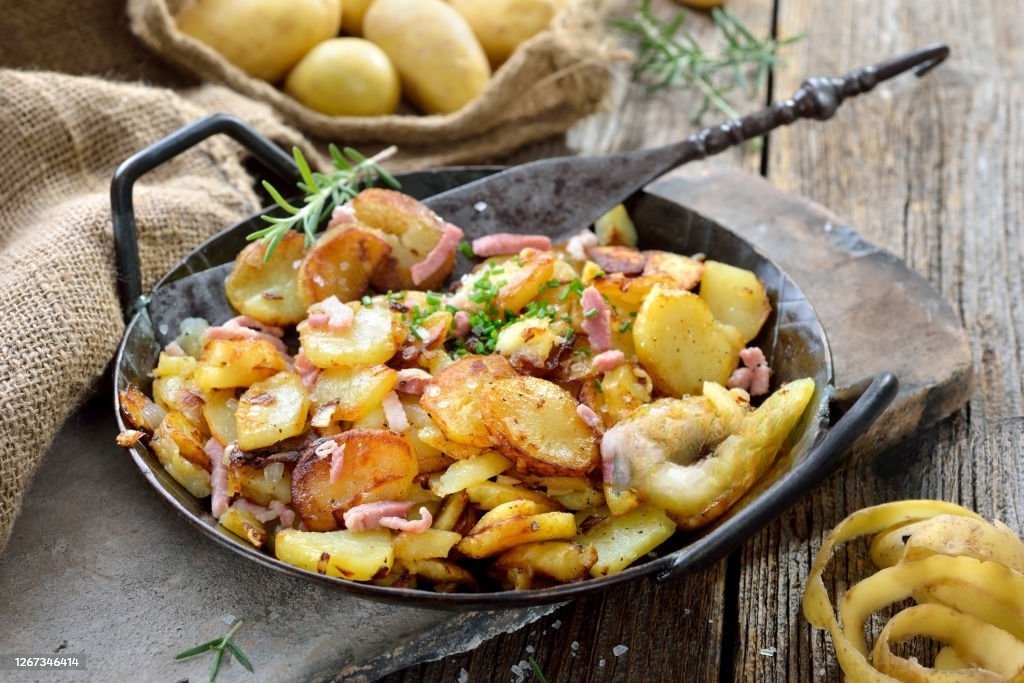
The significance of bratkartoffeln in Germany cannot be overstated. These fried potatoes are commonly served as a side dish, accompanying various meats or other main courses. They often enhance the flavors of hearty German dishes, such as schnitzel or bratwurst. Additionally, bratkartoffeln can be enjoyed at any meal, making them a versatile addition to breakfasts, lunches, or dinners. Their widespread appeal is evident, as they can be found on menus in traditional beer gardens, local eateries, and even at family gatherings, where they bring a sense of comfort and homeliness.
One of the captivating aspects of bratkartoffeln is their adaptability. While the classic version typically includes potatoes, onions, and bacon, variations abound, depending on regional practices and personal preferences. Some might add paprika for a touch of spice, while others might experiment with additional vegetables, herbs, or spices, yielding unique flavors. The global fascination with bratkartoffeln signifies not just a love for tasty food, but also an appreciation for the cultural heritage that these fried potatoes represent. Through centuries of evolution, bratkartoffeln have remained a beloved highlight of German cuisine.
Choosing the Right Potatoes
Ingredients (Serves 4–6)
✅ For the Bratkartoffeln:
- 2 lbs waxy potatoes (like Yukon Gold), boiled and cooled 🥔
- 2 tbsp vegetable oil or clarified butter 🛢️🧈
- ½ small onion, finely chopped 🧅
- 4 oz bacon, diced 🥓 (optional, for extra flavor)
- Salt & black pepper, to taste 🧂
- ½ tsp smoked paprika (optional) 🌶️
- 1 tbsp fresh parsley, chopped 🌿
When it comes to achieving the perfect bratkartoffeln, the choice of potatoes is paramount. The texture and flavor of the finished product heavily rely on the type of potatoes selected. Broadly, potatoes are categorized into two groups: waxy and starchy. Waxy potatoes, such as Red Bliss or new potatoes, have a high moisture content and low starch level, which helps them hold their shape during cooking. While these potatoes can produce a tender texture, they often lack the crispiness desired in bratkartoffeln.
On the contrary, starchy potatoes like Russet or Idaho potatoes are ideal for frying due to their high starch content and lower moisture levels. This combination results in a fluffy interior and a crisp exterior once cooked. The best approach for bratkartoffeln is to select starchy varieties, as they yield the desired crunchy texture that is synonymous with this classic German dish.
Proper preparation of the potatoes is equally important to ensure excellent frying results. Start by washing the potatoes thoroughly to remove any dirt or impurities. Next, peeling is advisable, although leaving the skin on can add texture and flavor. The next step often involves boiling, which is a crucial technique; boiling the potatoes until they are tender but not falling apart helps to create a perfect balance of crispness and softness when frying. After boiling, it is essential to allow the potatoes to cool completely. Cooling can be expedited by spreading them on a baking sheet. This step assists in reducing moisture and fosters that coveted crispy outcome.
In summary, utilizing starchy potatoes and employing proper washing, peeling, boiling, and cooling techniques are critical for perfecting bratkartoffeln. Choosing the right potatoes will significantly improve your results, yielding a delectable dish that captures the essence of this German culinary classic.
The Cooking Technique for Perfect Bratkartoffeln
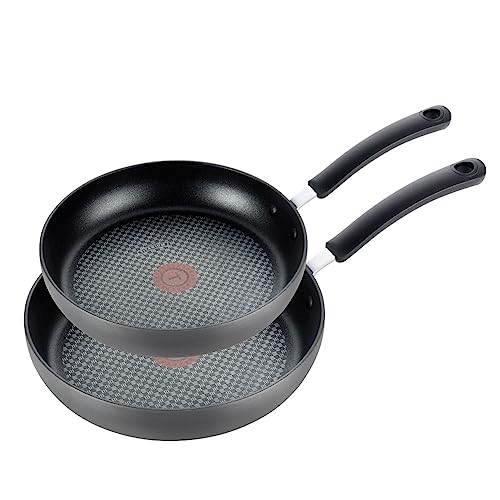
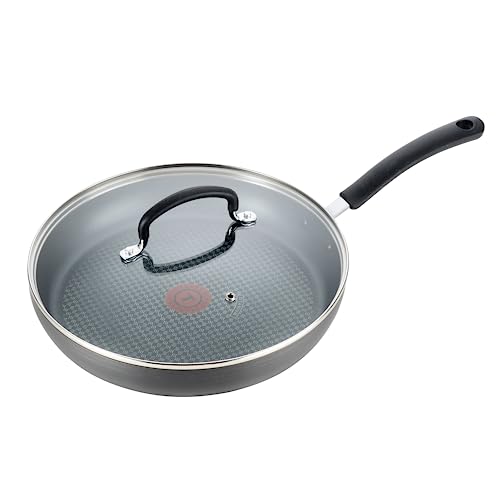
To achieve truly delectable bratkartoffeln, the cooking technique is paramount. This method emphasizes the importance of using the right pan, appropriate oil, and precise heat control throughout the frying process. A cast iron skillet or a high-quality non-stick pan is ideal for achieving that perfect golden-brown crust. The even heat distribution and excellent heat retention of cast iron make it particularly well-suited for frying potatoes.
When it comes to choosing the oil for frying, both vegetable oil and duck fat are excellent options. Vegetable oil has a high smoke point, allowing for a crispier exterior without burning the potatoes. On the other hand, duck fat imparts a rich flavor that complements the natural taste of the potatoes beautifully. Regardless of the choice, it is essential to use enough oil to coat the base of the pan adequately to ensure the potatoes fry evenly.
Begin the cooking process by washing and drying the potatoes thoroughly. Then, cut them into even cubes or thin slices, depending on personal preference. Preheat the pan over medium heat and add your chosen oil. Once the oil is shimmering, add the potato pieces in a single layer, taking care not to overcrowd the pan. This will allow them to fry properly, achieving that necessary crispiness.
While the potatoes are cooking, slice onions and bacon—both elements that will enhance flavor significantly. After allowing the potatoes to fry for about five minutes, use a spatula to gently flip them over to ensure even cooking. Shortly after, add the onions and bacon to the pan, letting them sauté alongside the potatoes. The rendered bacon fat will contribute additional flavor, while the onions will caramelize, creating a delightful aroma. Maintaining the right heat is essential, as adjusting it slightly can prevent burning and ensure thorough cooking.
By following this meticulous cooking technique, one can create an irresistible batch of bratkartoffeln that boasts the perfect combination of crispiness and flavor.

Serving Suggestions and Variations
Bratkartoffeln, or German-style fried potatoes, offer a delightful and versatile dish that can complement a variety of meals. Traditionally, they are served alongside hearty main courses, making them an ideal partner for meats such as sausages, schnitzels, or grilled chicken. The crispy texture and savory flavor of bratkartoffeln provide a wonderful contrast to these dishes, enhancing the overall dining experience. In Germany, it is not uncommon to accompany bratkartoffeln with traditional condiments such as applesauce, which adds a hint of sweetness, or various herb dips that can elevate the flavors further.
To explore the full potential of bratkartoffeln, one can also experiment with creative variations that cater to different dietary preferences and seasonal ingredients. For those looking for vegetarian adaptations, incorporating seasonal vegetables — such as bell peppers, zucchini, or seasonal greens — into the frying process can enrich the texture and add nutritional value. A sprinkle of fresh herbs, like parsley or chives, can provide a refreshing note that complements the earthiness of the potatoes. Additionally, integrating spices or flavorings such as smoked paprika or garlic can bring an exciting twist to the classic recipe.
For a delightful flavor profile, consider serving bratkartoffeln with a side of sautéed mushrooms or caramelized onions, which can create a richer taste experience. Furthermore, incorporating different types of potatoes can yield distinct results; for example, using waxy potatoes will result in a creamier texture, while starchy potatoes yield a crispier finish. By encouraging readers to experiment in their kitchens, bratkartoffeln can be embraced not only as a cherished German staple but also as a canvas for culinary creativity, adaptable to any occasion or taste preference.