
Introduction to Borscht
Borscht is a traditional beet soup renowned for its vibrant color and rich flavor, deeply rooted in Russian and Eastern European culinary heritage. This dish has evolved over centuries, originating in the regions surrounding Ukraine, Poland, and Russia. Its significance in Russian cuisine cannot be overstated, as it represents more than just nourishment; it symbolizes comfort, family, and cultural identity. Borscht is often served during special occasions, family gatherings, and holidays, thereby playing a central role in communal dining experiences.
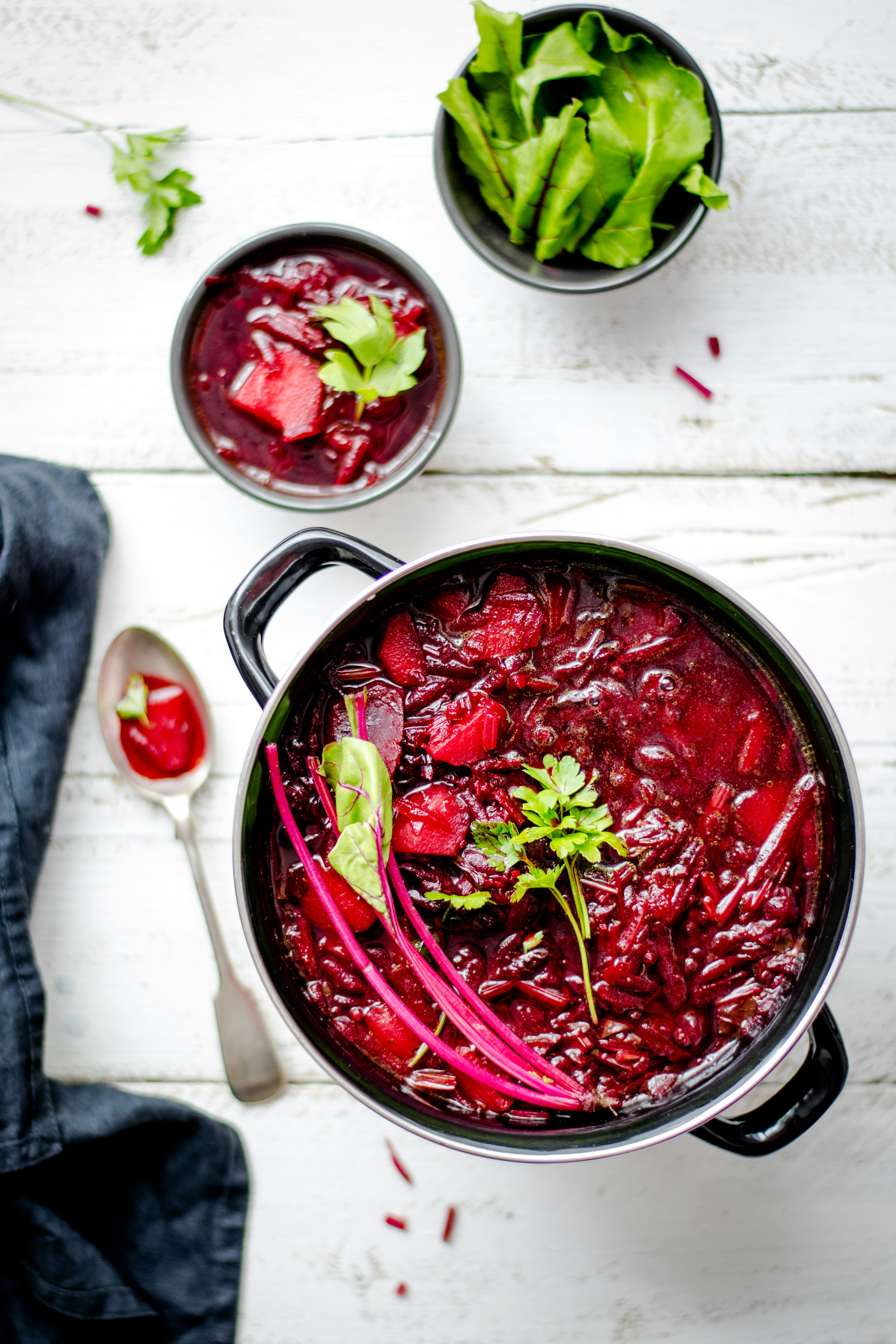
The history of borscht can be traced back to ancient Slavic traditions, where the soup was initially made with fermented beets. Over time, the recipe has been adapted and embraced by various cultures, leading to numerous regional variations. Each version of borscht incorporates local ingredients and reflects the unique culinary practices of a particular area. While the quintessential borscht is made with beets, it often includes cabbage, potatoes, carrots, and sometimes meat, providing a hearty and satisfying meal.
Ingredients for Authentic Borscht
📝 Ingredients (serves 6)
- 300 g beef with bone (ideally: rib or brisket)
- 2 liters of water
- 2 medium beetroots, peeled and grated
- 1 carrot, peeled and grated
- 1 medium potato, peeled and diced
- 1/4 head of white cabbage, finely shredded
- 1 onion, chopped
- 2 tablespoons tomato paste
- 2 garlic cloves, minced
- 1 bay leaf
- 1 tablespoon white vinegar or lemon juice
- Salt and pepper to taste
- Sunflower oil or vegetable oil for frying
- Fresh dill and sour cream (optional, for serving)
To create an authentic borscht, it is essential to gather a variety of fresh ingredients that contribute to the soup’s distinctive flavor and texture. At the core of this traditional Russian recipe is the beet, which provides both a vibrant color and a sweet earthiness. Typically, two to three medium-sized beets are required, peeled and grated to enhance their ability to infuse flavor throughout the dish.
Alongside beets, cabbage plays a crucial role in borscht. Using a small head of green cabbage, shredded into thin ribbons, adds a satisfying crunch and balances the sweetness of the beets. Potatoes are another important component, added to give heartiness to the soup. Usually, one or two medium-sized potatoes, diced into bite-sized pieces, will suffice to create a more filling experience.
Carrots and onions, both finely chopped, are fundamental for building a robust flavor base. Typically, a couple of carrots and one onion are used, sautéed in oil until they are tender and slightly caramelized, adding depth to the overall dish. For the broth, homemade is preferable, but a good-quality vegetable or meat broth can also work effectively to provide a rich backdrop for the other ingredients.
While many recipes opt for a meat addition, whether beef or pork can depend on personal preference. About 300-400 grams of meat, cut into small pieces, can enhance the soup’s richness. Fresh herbs such as dill or parsley are often added at the end of cooking, giving the soup a fragrant finish. The use of fresh, high-quality ingredients is vital, as they not only contribute to the soup’s complex flavor profile but also elevate the overall quality of the dish, making the experience truly authentic.
Step-by-step Cooking Instructions
To prepare a traditional borscht, begin by gathering the necessary ingredients, which typically include beets, cabbage, potatoes, carrots, onions, and meat, alongside spices such as dill and bay leaves. Begin by peeling and slicing the beets into thin strips or grating them for a finer texture. Next, chop the onions and carrots, and dice the potatoes. Shredding the cabbage will also be beneficial as it contributes to the overall texture of the soup.
In a large pot, heat a tablespoon of vegetable oil over medium heat. Add the chopped onions first, allowing them to sauté until they are translucent, which should take about 5 minutes. Following this, incorporate the grated or sliced beets with a pinch of salt, turning the heat to medium-high for an additional 10 minutes. This helps to release the beets’ natural sweetness, a critical aspect of developing the flavor profile of the borscht.
Next, add the carrots, cooking together with the beets and onions for another 5 minutes. Subsequently, include the diced potatoes and shredded cabbage, mixing the ingredients thoroughly. Pour in approximately 4-5 cups of vegetable or meat broth, depending on your preference, and bring the mixture to a boil. Once boiling, reduce the heat to low and cover the pot, allowing the borscht to simmer for about 30 to 40 minutes. This simmering period is crucial for achieving a well-blended flavor.
As a finishing touch, stir in fresh dill and adjust the seasoning to taste. One common error is overcooking the beets, which can lead to a mushy texture. Instead, ensure the beets retain some firmness until the soup is fully cooked. Allowing the borscht to rest for a short time post-cooking enhances the flavor further. Lastly, serve with a dollop of sour cream for added richness and enjoy this vibrant dish steeped in tradition.


Serving Suggestions and Variations
When serving traditional borscht, one can elevate the overall experience through careful selection of accompaniments. A dollop of sour cream is a classic addition that adds creaminess and a slight tang, balancing the earthy flavors of the beets. For those who prefer a lighter touch, a drizzle of olive oil or a spoonful of yogurt can serve as a delightful alternative. Fresh herbs, particularly dill or parsley, can serve not only as a garnish but also enhance the soup’s flavor profile with a burst of freshness.
In complementing borscht, consider offering rye bread or pumpernickel on the side. These dense bread varieties are not only traditional but also provide a hearty counterpart to the soup. Additionally, pickled vegetables such as cucumbers or beets can add a sharp contrast, enhancing the meal’s overall complexity. For those looking for more texture, a side of crispy fried potatoes or a simple green salad can be an excellent addition.
Moreover, borscht is versatile, with numerous variations to suit different dietary preferences. For vegetarians, a vegetable stock can replace the traditional meat broth, while maintaining the rich flavors of the dish. Vegan adaptations can further omit dairy products like sour cream and incorporate plant-based alternatives, such as cashew cream, which can still provide a similar creamy texture and taste. Additionally, various types of borscht can be creatively explored, such as adding lentils for protein or using different vegetables like cabbage or carrots to introduce new layers of flavor.
Regardless of the adaptation chosen, the key lies in preserving the essence of this beloved soup while accommodating diverse tastes and dietary needs. By thoughtfully pairing complementary sides and exploring varied preparations, borscht can be a wonderfully inclusive dish that delights everyone at the table.