
The History of Apfelstrudel
Apfelstrudel, a pastry filled with spiced apples, has a history that traces back to the cultural crossroads of the Austro-Hungarian Empire. This iconic dessert emerged in the 17th century, reflecting the influence of diverse culinary traditions in a region that was home to various ethnic groups. Initially, it gained prominence among the Viennese elite, showcasing a blend of local and Turkish culinary practices that intertwined over centuries.
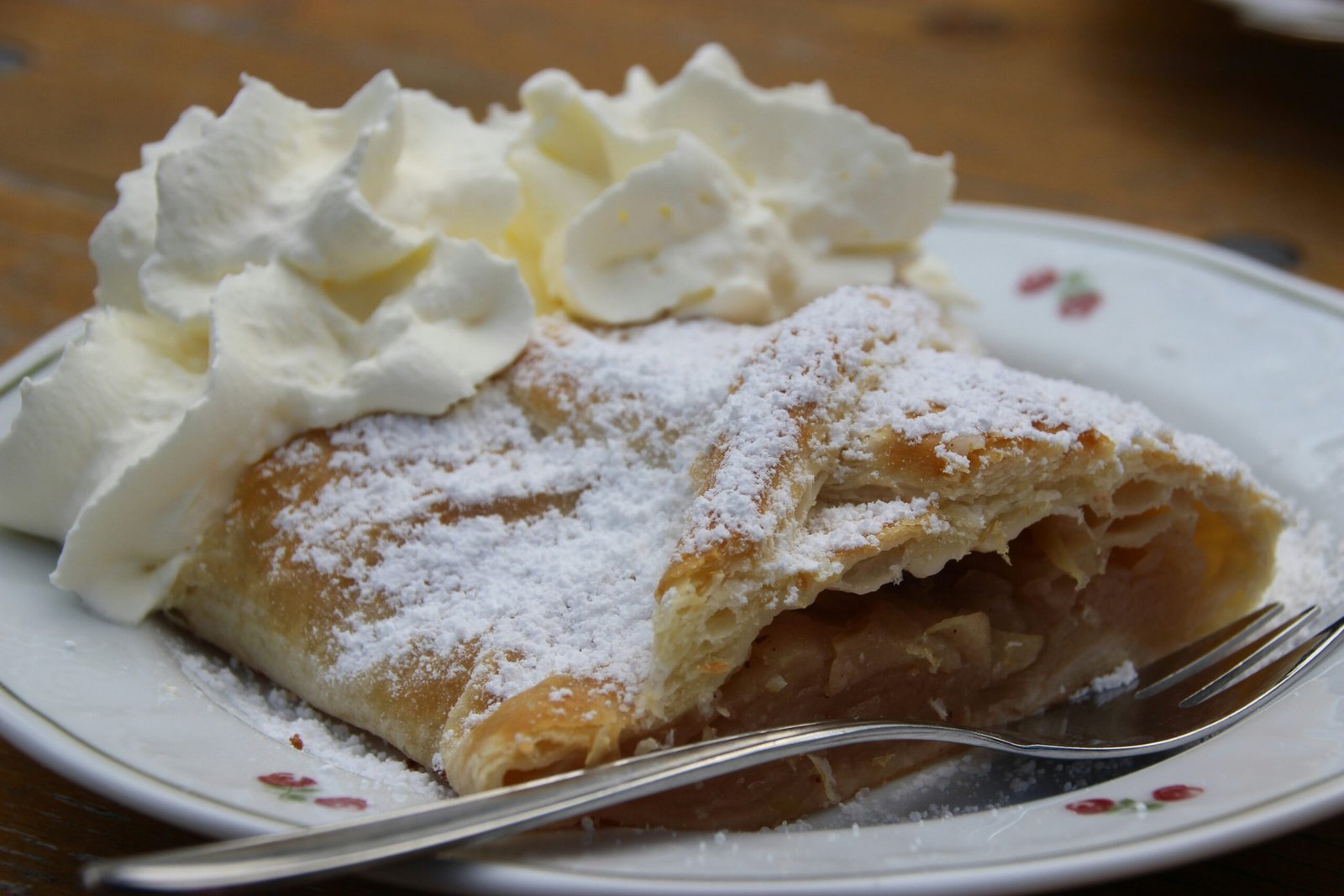
The roots of Apfelstrudel can be connected to a similar dish known as ‘Burek’, which consists of layers of thin dough filled with various ingredients. As trade routes opened and cultural exchanges flourished, the technique of making thin layers of pastry became more sophisticated. The recipe for Apfelstrudel evolved, with each iteration incorporating regional ingredients, spices, and cooking methods, thus enriching its flavor profile and appeal.
Throughout the 18th century, Apfelstrudel solidified its place in the culinary traditions of the Austrian Empire. Cookbooks began to document its preparation methods, making the dessert accessible to the general public. The simplicity of its ingredients, primarily flour, apples, butter, and sugar, made it perfect for both modest homes and lavish banquets. As Austrian society evolved, so too did the Apfelstrudel, adapting to the changing tastes and artistic influences of the time.
During the 19th and early 20th centuries, migration played a crucial role in spreading Apfelstrudel beyond Austria’s borders. As people left the empire, they carried their culinary traditions with them. The dessert found its way into various cultures, from Germany to Hungary, each adding its unique twist. Today, Apfelstrudel is celebrated globally, enjoyed in households and restaurants alike, symbolizing not just a delectable treat but a rich tapestry of cultural history and shared heritage.
Ingredients and Preparation
✅ Ingredients
For the Filling:
- 5 medium apples (Granny Smith or Boskoop), peeled, cored, and thinly sliced
- 1/2 cup (75 g) raisins
- 2 tbsp rum or apple juice (to soak raisins)
- 1/2 cup (100 g) sugar
- 1 tsp cinnamon
- 1/4 tsp ground cloves (optional)
- 1 tsp lemon zest
- 1/2 cup (50 g) chopped walnuts or almonds (optional)
- 1/2 cup (60 g) breadcrumbs
- 2 tbsp butter (for toasting breadcrumbs)
For the Pastry:
- 6–8 sheets phyllo dough (thawed if frozen)
- 1/4 cup (60 g) melted butter (for brushing)
For Serving:
- Powdered sugar (for dusting)
- Vanilla sauce or whipped cream (optional)
Apfelstrudel, a beloved pastry of Austrian origin, owes its delightful flavor and texture to a select array of ingredients. The main star of this dessert is, undoubtedly, the apples. For the most authentic flavor, it is recommended to select tart apples such as Granny Smith or Jonagold, as their natural acidity complements the sweetness of the accompanying ingredients. Additionally, incorporating spices such as cinnamon and nutmeg not only enhances the overall flavor profile but also evokes a warm, comforting aroma that is synonymous with this classic treat.
The next crucial component is the pastry itself. The hallmark of Apfelstrudel is its thin, flaky dough, traditionally made with flour, water, and a touch of oil or melted butter. This dough should be stretched to an incredibly thin consistency, allowing the layers to separate during baking, producing the desirable flaky texture. It is essential to use a gentle hand while rolling and stretching the dough, as overworking can develop gluten and lead to a chewy rather than light finish.
To prepare the Apfelstrudel, one would begin by making the dough. Combine the flour, water, and oil, kneading until smooth, then allow it to rest for about 30 minutes. Meanwhile, prepare the filling by peeling and slicing the apples, combining them with sugar, cinnamon, and breadcrumbs to absorb excess moisture. After the dough has rested, roll it out on a floured surface, stretching it further to achieve the desired thinness. Carefully spread the apple filling over the dough, and using a gentle motion, roll it up to form the strudel. Ensure the ends are tucked in, then transfer it to a baking sheet. Baking the strudel until golden brown promises the perfect crispy exterior that contrasts beautifully with the tender apple filling.
Serving Suggestions
Apfelstrudel, a delightful pastry originating from Central Europe, is renowned for its flaky texture and sweet apple filling. Serving this dessert can greatly enhance its flavors and overall presentation, making it a centerpiece at gatherings or special occasions. One of the most popular accompaniments is a scoop of vanilla ice cream, which provides a creamy contrast to the warm pastry. The combination of the hot Apfelstrudel and cold ice cream creates a delightful sensory experience that is hard to resist.
Another classic accompaniment is whipped cream. A dollop of freshly whipped cream adds a light and airy touch, perfectly complementing the rich apple filling. For those seeking to elevate the dessert further, consider drizzling warm caramel sauce over the Apfelstrudel. The caramel’s sweetness and smooth texture can beautifully balance the tartness of the apples. Alternatively, a sprinkle of toasted nuts, such as almonds or walnuts, can add a crunchy texture and an extra layer of flavor that pairs wonderfully with the soft pastry.
When presenting Apfelstrudel, consider slicing it into generous portions and arranging it on a decorative platter. Garnishing with a dusting of powdered sugar or a few mint leaves can add visual appeal and freshness. Additionally, serving the strudel in individual portions, perhaps in small ramekins, can create an elegant touch for formal occasions. For family dinners, a simple plate with slices of Apfelstrudel can evoke a cozy atmosphere that encourages conversation and enjoyment.
Ultimately, the way Apfelstrudel is served can enhance both its taste and presentation. Whether you opt for classic accompaniments like ice cream and whipped cream or choose to experiment with caramel sauce and nuts, these suggestions aim to inspire delightful servings of this beloved dessert.



Variations and Creative Twists
Apfelstrudel, traditionally celebrated for its apple filling, boasts a remarkable versatility that invites culinary creativity. While the classic version remains a favorite, numerous variations can be crafted by altering fillings and spices, catering to diverse palates. One popular alternative is to substitute the apples with a medley of mixed berries such as blueberries, raspberries, or strawberries. This berry-infused rendition offers a delightful tartness, contrasting beautifully with the pastry’s sweetness.
Furthermore, the addition of nuts can elevate the texture and flavor profile of Apfelstrudel. Chopped walnuts or hazelnuts can be included in the filling, providing a satisfying crunch and enriching the overall taste. Additionally, experimenting with spices can yield intriguing results; for instance, the incorporation of cardamom introduces a fragrant warmth that complements the fruit magnificently. Similarly, a hint of ginger can add a zesty kick, enhancing the complexity of the dessert.
Another creative twist could involve utilizing different fruits altogether, such as pears or peaches, which can be used in conjunction with apples or exclusively for a refreshing variation. Each fruit variation brings its unique sweetness and texture, allowing the home baker to customize their Apfelstrudel experience. Moreover, consider experimenting with the dough itself. A whole-wheat or nut-based pastry can offer a healthier alternative while imparting a distinct flavor.
Ultimately, the essence of Apfelstrudel lies in its adaptability; through these variations and creative twists, bakers can infuse their personal touch into this beloved dish. Encouraging experimentation encourages a sense of discovery, making the process of creating Apfelstrudel just as enjoyable as savoring it. Whether one opts for berry medleys or nutty additions, the possibilities are indeed infinite.