
Introduction to Blini
Blini are traditional Russian pancakes, renowned for their light texture and versatility. Originating in ancient Russia, these thin, crepe-like cakes have been crafted from grains such as buckwheat and wheat, symbolizing the sun during the pre-Christian era. Their circular shape and golden hue connect them to themes of warmth and fertility, and they have transcended time and cultural shifts, maintaining a prominent place in Russian cuisine.
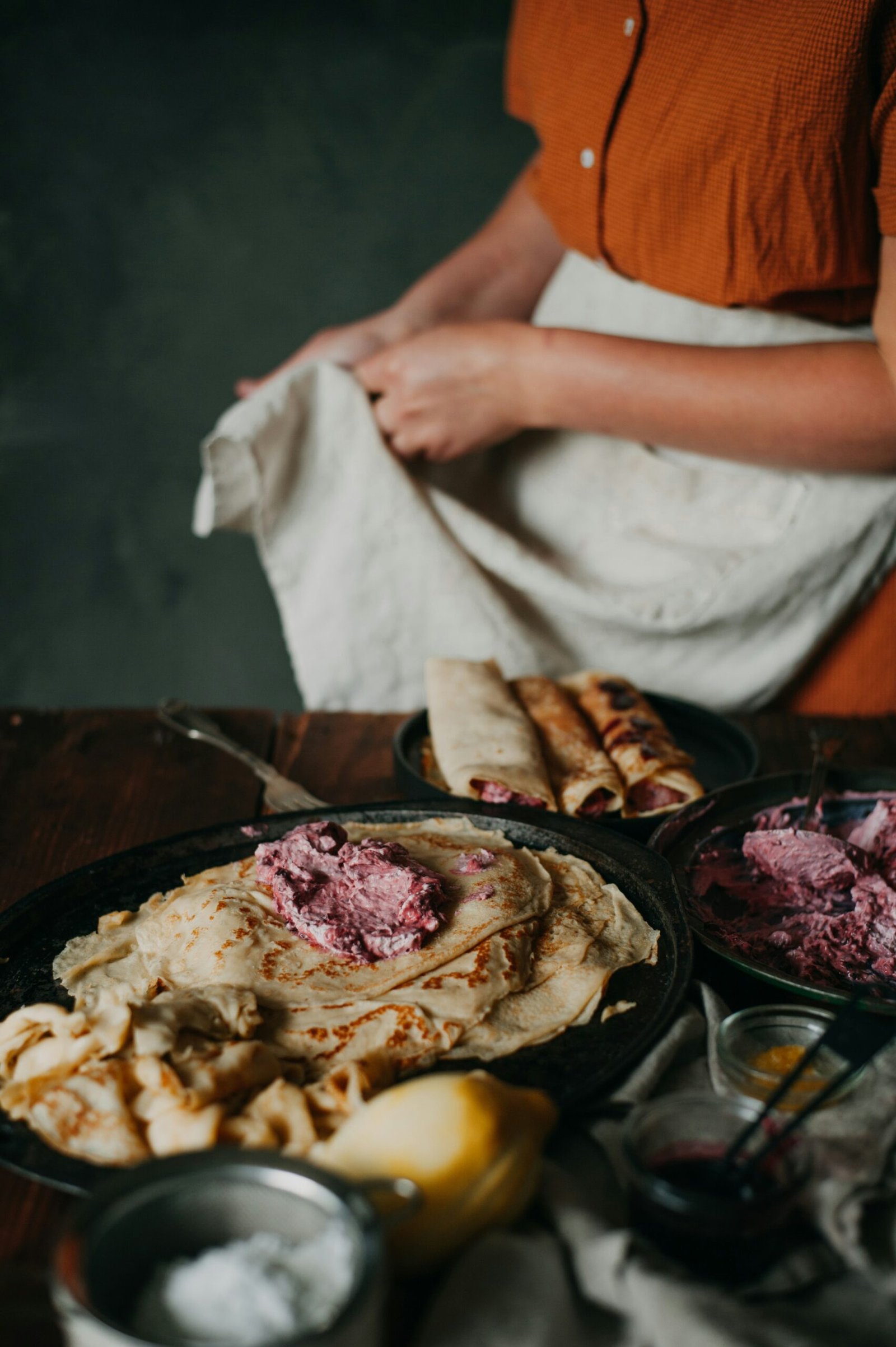
Throughout history, blini have been associated with various Russian festivals and occasions, most notably Maslenitsa, a week-long celebration that precedes Lent. During this festivity, blini are consumed abundantly, as their preparation marks the end of winter and a welcoming gesture to spring. The celebration highlights the cultural significance of these pancakes, which are often served with a range of toppings that reflect the region’s culinary diversity.
Blini’s versatility extends to their fillings and accompaniments, making them suitable for breakfast, lunch, or dinner. Traditionally, they are enjoyed with sour cream, caviar, smoked salmon, or fruit preserves. Creative interpretations have emerged over time, including fusion fillings and contemporary toppings that appeal to various palates. This flexibility allows blini to be adapted to modern dining experiences while retaining their classic charm.
Furthermore, blini can be made in different sizes and thicknesses, ranging from tiny, bite-sized morsels to larger variations suitable for hearty meals. Additionally, gluten-free options using alternative flours are increasingly available, catering to diverse dietary needs. As a beloved staple in Russian households, blini not only provide nourishment but also foster communal dining experiences, making them an essential part of both family gatherings and festive celebrations.
Ingredients Needed for Blini
📝 Ingredients (makes about 12–15 blini)
For the batter:
- 2 cups milk (warm)
- 2 eggs
- 1 cup all-purpose flour
- 1 tablespoon sugar
- 1/2 teaspoon salt
- 2 tablespoons vegetable oil (plus more for frying)
- 1/2 teaspoon baking soda (optional, for fluffier texture)
To successfully prepare authentic blini, it is crucial to gather the necessary ingredients that create this delightful dish. The most fundamental component is flour, which serves as the base for the blini batter. Traditionally, buckwheat flour is used, but all-purpose flour can also work well, depending on personal preference. If you seek a gluten-free version, consider substituting with a gluten-free flour blend that maintains the desired texture.
Next, eggs play an important role in providing structure and richness to the blini. Typically, one or two large eggs are sufficient, depending on the quantity of blini being prepared. Milk is another essential ingredient, contributing to the batter’s consistency and flavor. Whole milk is recommended, but alternatives such as almond milk or oat milk may be used for those who are lactose intolerant or prefer a dairy-free diet.
For leavened blini, yeast is an important ingredient that adds a light and airy texture to the pancakes. Active dry yeast is commonly used, and it must be activated in warm milk prior to mixing it into the batter. For those looking for a quicker preparation, baking powder can be used as a leavening agent, although it will slightly alter the final result’s flavor and texture. Additionally, consider incorporating sugar and salt to enhance the overall taste.
Don’t forget about the toppings and accompaniments that elevate the blini experience. Traditional options include sour cream, caviar, or smoked salmon, while fresh fruits and jam can serve as sweet alternatives. Regardless of dietary restrictions or personal preferences, there are various substitutions and toppings available to ensure that everyone can enjoy this delightful dish. With the right ingredients on hand, you are well on your way to creating delicious blini that will impress friends and family alike.
Step-by-Step Blini Cooking Instructions
To prepare blini from scratch, begin by gathering the necessary ingredients. You will need all-purpose flour, milk, eggs, yeast, sugar, and a pinch of salt for traditional yeasted blini. Once your ingredients are at hand, start by activating the yeast. Combine lukewarm milk, sugar, and yeast in a mixing bowl, allowing the mixture to sit for about five to ten minutes until it becomes frothy. This process is crucial as it ensures that the yeast is alive and ready to work.
Next, in a separate bowl, mix the flour and salt. Once the yeast has activated, incorporate it into the flour mixture, followed by the eggs. Stir well until you have a smooth batter. The next step is to cover the bowl with a clean cloth or plastic wrap and let it rest in a warm location. Fermentation is essential for yeasted blini, and allowing the batter to rise for at least an hour will yield light and airy pancakes.
After the fermentation period, the batter should have doubled in size. Gently stir the batter to release some of the trapped air, which aids in achieving that desired texture. Preheat a non-stick skillet or griddle over medium heat, and lightly grease it with butter or oil. Once hot, pour a small amount of batter onto the skillet; you can adjust the size depending on your preference. The blini should cook for approximately 2-3 minutes on one side until small bubbles form, indicating it’s time to flip.
Carefully turn the blini using a spatula, allowing the other side to cook for an additional 1-2 minutes until golden brown. Repeat this process with the remaining batter, ensuring to maintain the heat and greasing the skillet as needed. Allow the finished blini to rest in a warm place, covered with a towel, until all are cooked. Each step in this process is integral to mastering blini, ensuring you deliver a delightful dish worthy of sharing.



Serving Suggestions and Toppings for Blini
Blini are not only delicious but also incredibly versatile, making them a popular choice for various occasions. These thin, Russian pancakes can be paired with a range of toppings and fillings, allowing for both sweet and savory experiences. When considering sweet options, one can opt for traditional choices such as berry preserves, honey, or a rich dollop of whipped cream. Fruit compotes made from seasonal berries or even a simple sprinkling of powdered sugar can elevate the flavor profile of blini, making them perfect for breakfast or a delightful dessert.
On the savory side, blini can be transformed into a gourmet treat with toppings like smoked salmon, which pairs beautifully with a touch of cream cheese or sour cream. Caviar is another luxurious option that elevates the blini experience, adding sophistication to any dining setting. For those who prefer a more rustic approach, sautéed mushrooms or caramelized onions can serve as hearty fillings. The addition of fresh herbs, such as dill or chives, can also enhance the overall taste and present a visually appealing dish.
For casual gatherings, consider serving blini on a platter, allowing guests to customize their own toppings, thus creating an interactive dining experience. This method encourages creativity while presenting an opportunity to sample a variety of flavors. Conversely, for more formal occasions, arranged blini with carefully selected toppings can serve as an elegant hors d’oeuvre. Creating a colorful display with an array of fillings and garnishes can capture the eye and delight the palate of your guests.
In summary, blini’s adaptability makes them suitable for any time of the day, whether it be a cozy brunch or an upscale dinner party. By experimenting with both sweet and savory toppings, one can enjoy the delightful texture and flavor of blini, making each bite an experience to cherish.