
The History and Origins of Crème Brûlée
Crème brûlée is a classic dessert that has captured the hearts and palates of many, tracing its origins back to France in the 17th century. Initially, early versions of this beloved dish were referred to as “crème Catalan,” which is believed to have influenced the French interpretation. This dish consisted of rich custard topped with a hard caramelized sugar crust, a simple yet elegant combination that has stood the test of time. The first documented recipe for crème brûlée appeared in François Massialot’s 1691 cookbook, highlighting its roots in French culinary tradition.
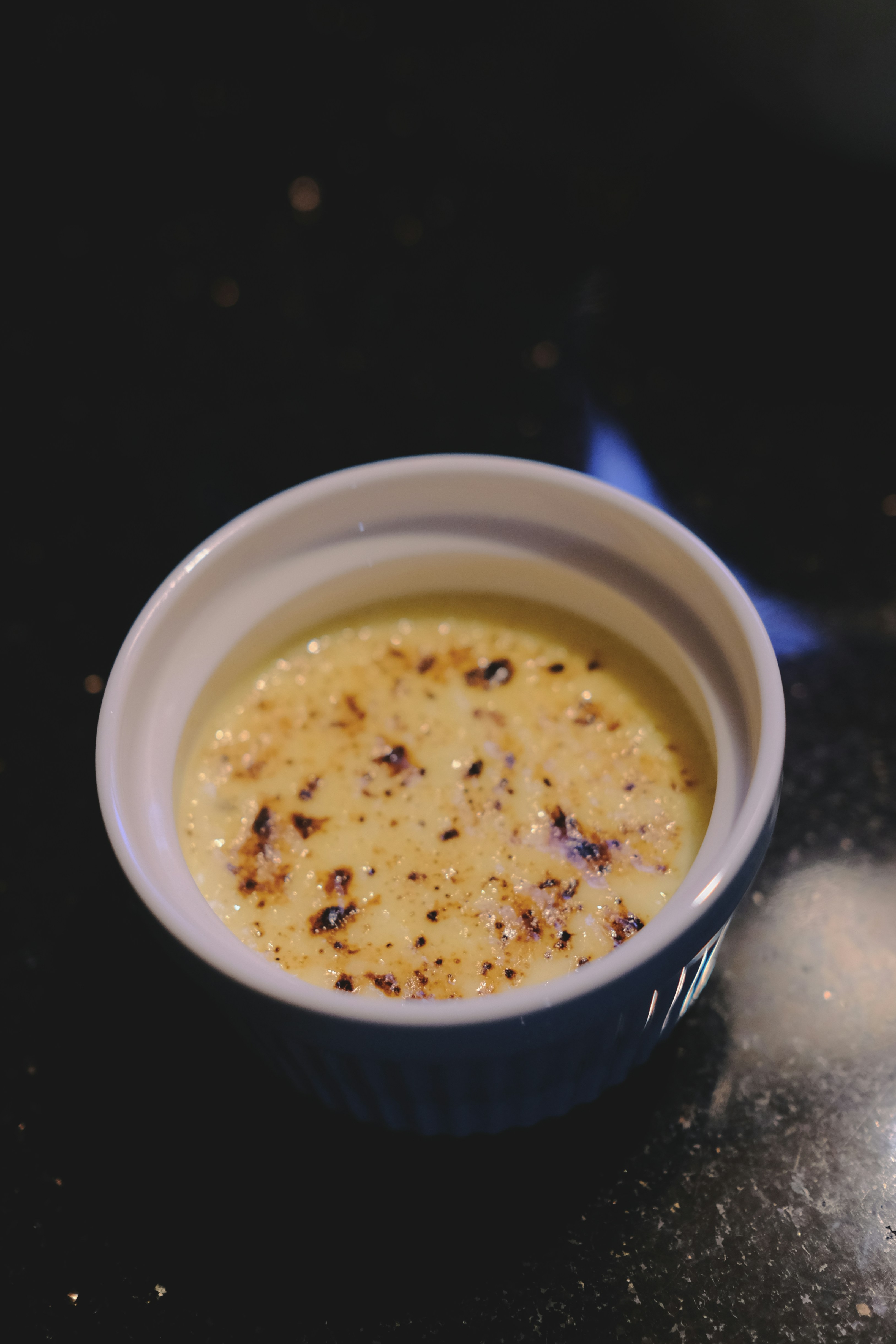
As crème brûlée evolved over the centuries, its preparation and presentation adapted to the tastes and traditions of various regions. By the 18th century, variations emerged, often incorporating local ingredients or flavor profiles, such as citrus or vanilla. Despite these adaptations, the core elements remained consistent: a smooth custard base complemented by a textural contrast formed by burnt sugar on top. This combination contributed significantly to its status as a cornerstone of French cuisine.
The cultural significance of crème brûlée is substantial, representing the art of French gastronomy and the notion of indulging in sophisticated desserts. It is often served in fine-dining establishments and at special occasions, reinforcing its elegance and desirability. The allure of crème brûlée has extended far beyond France, with many international variations appearing on dessert menus worldwide. Chefs and home cooks alike demonstrate their culinary skills through this dish, experimenting with flavors while respecting its traditional roots.
In essence, crème brûlée remains a testament to the enduring appeal of French desserts. Its rich history and cultural significance continue to make it a favorite among dessert enthusiasts globally, solidifying its place as a timeless masterpiece of French cuisine.
Ingredients and Tools Needed for Crème Brûlée
🛒 Ingredients (Serves 4–6)
✅ 2 cups heavy cream 🥛
✅ 1 vanilla bean (or 1 tsp pure vanilla extract) 🌿
✅ 5 large egg yolks 🥚
✅ ½ cup granulated sugar (plus extra for topping) 🍚
✅ A pinch of salt 🧂
To create a classic crème brûlée, several quality ingredients must be gathered to ensure the dessert embodies its rich and iconic flavor. The primary component is heavy cream, ideally fresh, which contributes to the smooth and velvety texture of the custard. Alongside the cream, a notable ingredient is vanilla beans; these must be split to release their seeds, providing the quintessential aromatic essence that defines this dessert. If vanilla beans are unavailable, high-quality vanilla extract may serve as a substitute, although the flavor will slightly differ.
Egg yolks are another crucial element in achieving the signature richness of crème brûlée. They not only enhance the flavor but also play an essential role in the thickening process when cooked. Combined with the cream, egg yolks create a luscious custard that forms the base of this iconic dish. Sugar is also necessary; granulated sugar is typically used for sweetening the custard mixture before baking and for caramelizing the top layer to create a delightful contrast in texture.
In addition to the ingredients, certain tools are necessary to successfully prepare crème brûlée. Ramekins should be selected with care, as they hold the custard while it bakes and is served. A whisk is also vital for blending the egg yolks and sugar until well incorporated and then mixing in the heated cream. A saucepan is required for warming the cream gently, which helps in infusing the flavors of the vanilla. Most importantly, a culinary torch is essential for caramelizing the sugar atop the cooled custard, allowing for that signature crackling crust that beautifully accompanies the delicately creamy base.
Having high-quality ingredients and the right tools is fundamental for crafting a remarkable crème brûlée, ensuring that the dessert is not only pleasing to the palate but also visually appealing.
The Step-by-Step Process of Making Crème Brûlée
Making a classic crème brûlée can be a rewarding experience, yielding a delicious, creamy custard topped with a satisfying caramelized sugar crust. To begin, gather all necessary ingredients, which include heavy cream, vanilla beans or extract, egg yolks, and granulated sugar. The equipment needed includes a saucepan, mixing bowl, whisk, ramekins, and a kitchen torch or broiler for caramelizing the sugar.
Start by preheating your oven to 325°F (160°C). In a saucepan, heat the heavy cream and vanilla over medium heat, stirring occasionally until it is just about to simmer. If using vanilla beans, split them open and scrape the seeds into the cream, adding both the seeds and pods to infuse flavor. Remove the saucepan from heat and allow the mixture to cool slightly.
In a separate bowl, whisk together the egg yolks and granulated sugar until the mixture becomes pale and thick. Gradually pour the warm cream into the egg mixture, whisking continuously to prevent the eggs from scrambling. Strain the custard through a fine sieve into a measuring jug to ensure a smooth texture.
Next, pour the custard into ramekins, filling them about three-quarters full. Place the ramekins in a baking dish and carefully add hot water until it reaches halfway up the sides of the ramekins. This water bath helps maintain an even cooking temperature. Bake in the preheated oven for about 30-40 minutes or until the custard is set but still slightly quivery in the center.
Once baked, remove the ramekins from the water bath and allow them to cool to room temperature. Then refrigerate the custards for at least two hours or overnight. When ready to serve, sprinkle an even layer of granulated sugar on top of each custard. Using a kitchen torch, carefully caramelize the sugar until it melts and forms a crisp crust. Alternatively, place the ramekins under the broiler for a few minutes, watching closely to prevent burning. Allow the sugar topping to harden for a minute before serving, providing the perfect contrast to the smooth custard below.
Tips for Serving and Enjoying Crème Brûlée
Serving crème brûlée can elevate this classic French dessert into an exquisite dining experience. Presentation plays a crucial role in appealing to the senses; therefore, consider utilizing ramekins that emphasize the elegance of the dish. Clear glass or beautifully crafted ceramic options can enhance the visual appeal while showcasing the rich, golden-brown caramelized sugar topping. For an elegant finish, garnish each serving with a few fresh berries such as raspberries or strawberries, or even a sprig of mint for a touch of color and freshness.
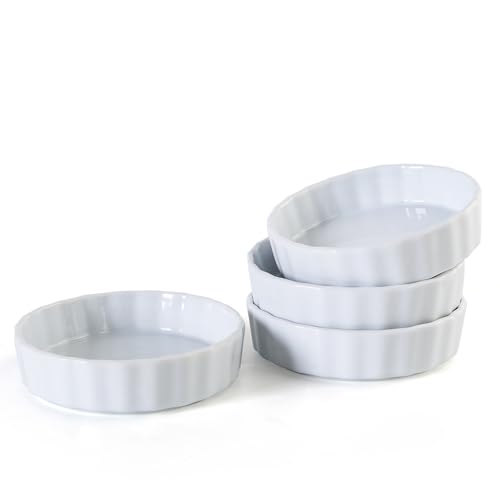


Pairing flavors can significantly enhance the overall taste of crème brûlée. Flavored whipped cream, such as vanilla bean, lavender, or citrus infusions, can complement the smooth custard base, adding depth and aroma. Introducing a side of seasonal fruits can also provide a refreshing contrast to the creamy dessert. For example, a scoop of sorbet or a small tart can serve as an excellent accompaniment, creating a delightful medley of textures and flavors.
For those who wish to experiment with traditional recipes, incorporating unique variations can offer fresh excitement. Consider introducing diverse flavors into the custard itself, such as coconut, espresso, or even matcha, to create personalized versions that cater to different palates. Additionally, for an adventurous twist, a passive infusion of spices like cardamom or anise during the heating process can elevate the taste profile remarkably.
In choosing the right occasion for serving crème brûlée, this dessert performs beautifully at romantic dinners, special celebrations, or holiday gatherings. Its sophistication is sure to impress guests, making it an excellent centerpiece for any elegant meal. By integrating these serving techniques and creative adjustments, you can ensure that your crème brûlée will not only be delicious but also a standout feature of your culinary repertoire.