
What Are Kopytka?
Kopytka, a traditional Polish dish, represents a delightful variety of potato dumplings cherished across Poland. Often compared to Italian gnocchi, these dumplings share a similar base ingredient—potatoes—but are distinguished by their unique texture and preparation methods. Kopytka has a rich culinary history, emerging as a comforting staple in Polish households, particularly beneficial for utilizing leftover mashed potatoes. This not only reduces food waste but also embodies the resourcefulness typical of Polish cuisine.

The preparation of kopytka typically involves combining leftover mashed potatoes with flour, eggs, and sometimes a pinch of salt. The dough is then rolled out, cut into pieces, and shaped before being cooked in boiling water. The simplicity of the ingredients belies the complexity of flavor they offer; kopytka are often served with a variety of sauces, such as butter and herbs, or incorporated into richer dishes with meat or sautéed vegetables. Their versatility as a dish adds to their popularity, establishing kopytka as a cherished comfort food in many Polish homes. Whether enjoyed as a standalone meal or a delightful side, kopytka embody both tradition and taste, solidifying their place in Poland’s culinary landscape.
Making Kopytka: A Simple Recipe
Ingredients (Serves 4–6)
✅ For the Dumplings:
- 2 lbs (900g) mashed potatoes 🥔
- 1 ½ cups all-purpose flour (plus extra for dusting) 🌾
- 1 egg 🥚
- ½ tsp salt 🧂
✅ For Serving (Optional):
- Melted butter and fresh herbs 🌿🧈
- Crispy bacon bits 🥓
- Mushroom sauce 🍄
Kopytka, a traditional Polish dish, are delicious potato dumplings that are both versatile and straightforward to prepare. The main ingredient for kopytka is leftover mashed potatoes, making this recipe an excellent way to minimize food waste. To begin, you will require the following ingredients: 2 cups of mashed potatoes, 1 cup of all-purpose flour, 1 large egg, and a pinch of salt. These proportions can be adjusted based on the quantity of dumplings desired.
To start, place the cold mashed potatoes in a mixing bowl. Ensure there are no lumps, as a smooth texture is crucial for achieving the ideal consistency in kopytka. Next, add the egg and a pinch of salt, combining these ingredients well. Gradually incorporate the flour into the mixture, stirring gently until a soft dough forms. Be mindful not to overwork the dough as it can become tough; a light touch is key for tender dumplings.
Once the dough is ready, turn it out onto a floured surface. Divide it into manageable sections to facilitate easier handling. Roll each section into long ropes approximately half an inch thick, and then cut them into small pieces, about one inch long. To create the traditional shape, you may lightly press each dumpling with a fork, creating grooves that help catch sauces and enhance presentation.
After shaping the kopytka, bring a large pot of salted water to a gentle boil. Carefully drop in the dumplings and cook them until they float to the surface, which typically takes around 2-3 minutes. Once cooked, use a slotted spoon to remove the dumplings from the pot and transfer them to a serving dish. For added flavor, consider sautéing kopytka in butter and seasoning with fresh herbs, while keeping in mind that this step is optional. This simple yet satisfying recipe makes it easy to enjoy kopytka, presenting a delightful addition to any meal.
Serving Suggestions: Butter, Herbs, and More
Kopytka, the delightful Polish potato dumplings, can be enjoyed in numerous ways that enhance their unique flavor and texture. One of the most cherished methods of serving kopytka is by simply tossing them in melted butter, which creates a rich and comforting dish. This classic preparation is often complemented by a sprinkle of fresh herbs such as dill or parsley, adding a vibrant freshness that balances the buttery notes beautifully. The herbs not only enhance the presentation but also contribute a subtle earthiness that elevates the overall taste profile.
Beyond the traditional butter and herb combination, there are several exciting options to enhance the experience of kopytka. For instance, topping the dumplings with caramelized onions can introduce a sweet yet savory element that pairs exceptionally well with the soft texture of the kopytka. Additionally, crispy bacon or pancetta adds a delightful crunch and a smoky flavor, creating a more substantial dish that is perfect for a hearty meal.
Moreover, kopytka can be served alongside various sides to create a well-rounded plate. Incorporating sautéed greens, such as spinach or kale, not only adds nutritional value but also contrasts nicely with the dumpling’s richness. A light salad featuring seasonal vegetables can also provide a refreshing counterpoint. For those who enjoy a bit of warmth, a rich mushroom sauce or a creamy garlic sauce can be drizzled over the kopytka, further enhancing their allure.
Ultimately, the versatility of kopytka allows for endless creativity in the kitchen. Whether using simple toppings or combining multiple elements, these potato dumplings can adapt to various culinary preferences, making them a delightful addition to any meal. Their ability to blend seamlessly with different flavors demonstrates why kopytka is a beloved dish in Polish cuisine.
Pairing Kopytka with Mushroom Sauce
Kopytka, the traditional Polish potato dumplings, are delightful on their own but can be elevated when paired with a rich and creamy mushroom sauce. The right mushrooms can significantly enhance the flavor profile of this dish, and various types contribute unique textures and tastes. Wild mushrooms, such as porcini or chanterelles, add an earthy depth, while cultivated varieties like cremini or button mushrooms provide a milder flavor that can appeal to a broader audience.

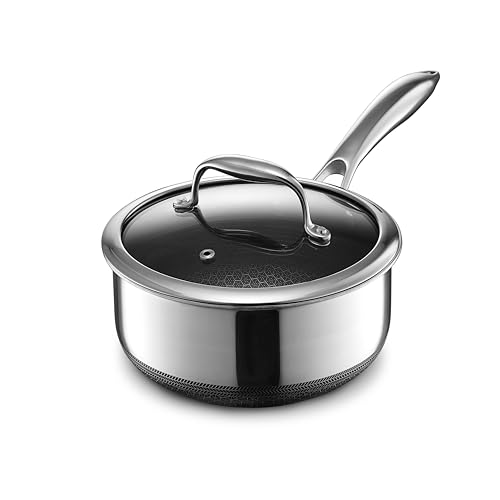
To prepare the mushroom sauce, start by cleaning and chopping your selected mushrooms into bite-sized pieces. Sauté them in a blend of butter and olive oil over medium heat until they release their moisture and become golden brown. This process typically takes around 5 to 7 minutes, and attention should be paid to avoid overcrowding the pan, which can lead to steaming rather than browning. After the mushrooms are cooked, add minced garlic and shallots, allowing them to soften and infuse the sauce with aromatic flavors.
Next, introduce a splash of white wine to deglaze the pan, scraping up the flavorful brown bits that may have formed on the bottom. Once the wine has reduced, add heavy cream to achieve that desired richness; this not only enhances the creaminess but also helps to mellow any strong mushroom flavors. Allow the sauce to simmer gently until it thickens to your liking. A touch of seasoning with salt, pepper, and perhaps some fresh herbs like thyme or parsley can further elevate this culinary delight.
When combining kopytka with the mushroom sauce, ensure the dumplings are cooked and ready to serve. Toss them gently in the sauce, allowing the flavors to meld together, and serve immediately for a delicious experience that highlights the seasonal availability of mushrooms. Feel free to personalize your sauce by incorporating other seasonal vegetables or adjusting the herbs according to your palate.