
Selecting the Right Potatoes
When it comes to achieving the perfect creamy mashed potatoes, selecting the appropriate variety is crucial. Starchy potatoes tend to produce the best texture and fluffiness when mashed. Two of the most popular choices for creamy mashed potatoes are Russet and Yukon Gold potatoes.
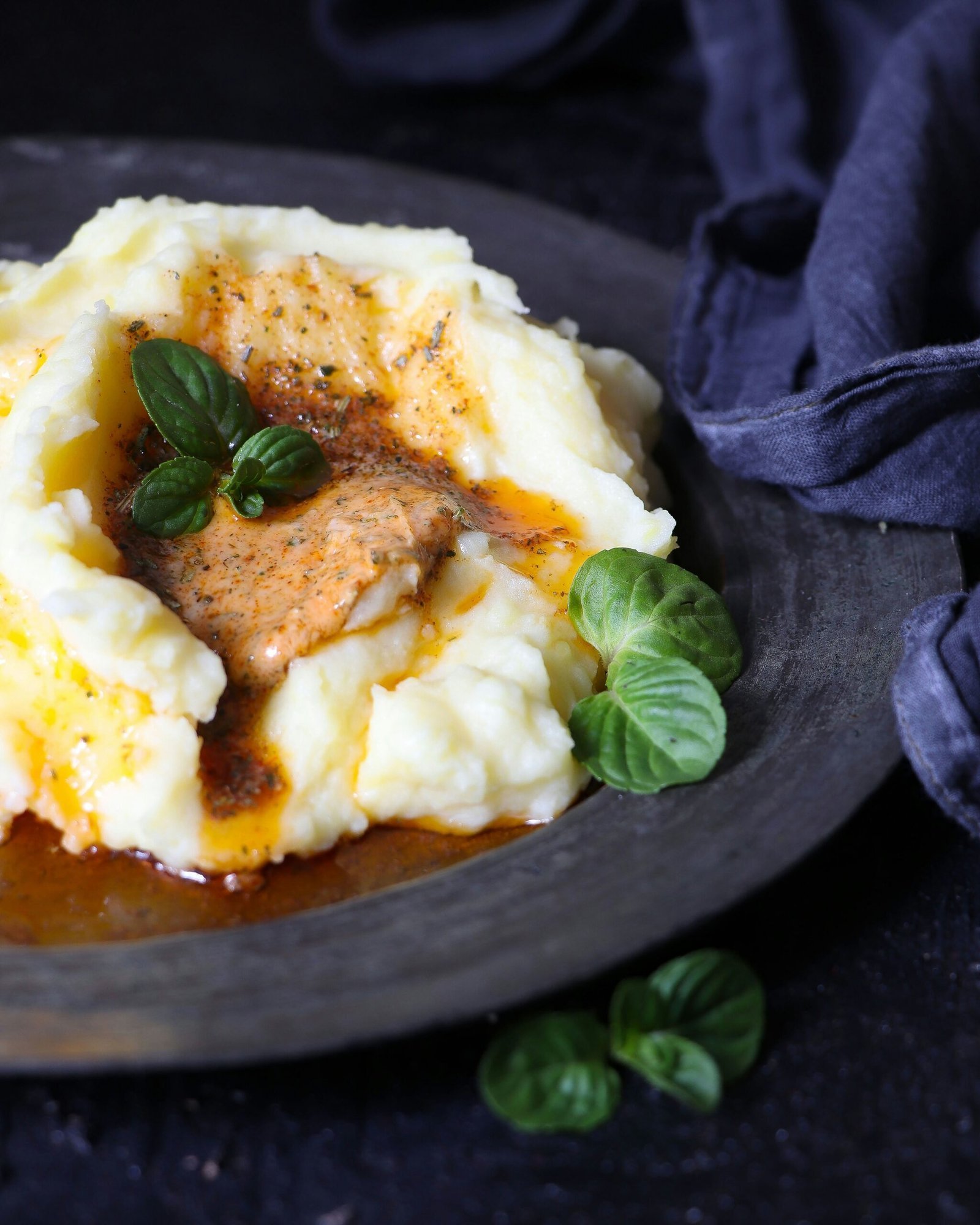
Russet potatoes, often referred to as Idaho potatoes, are well-known for their high starch content. This characteristic allows them to break down easily when boiled and makes them ideal for creating light, fluffy mashed potatoes. Their skin is thick, which can add a rustic element if left on during preparation. For a smoother texture, however, it is recommended to peel them before boiling.
Yukon Gold potatoes, on the other hand, offer a unique buttery flavor along with a slightly waxy texture. This variety is excellent for those who prefer a creamier consistency in their mashed potatoes. Yukon Golds can be mashed without losing their luxurious texture, making them a versatile option. While they can be cooked with skin on, peeling them will yield a more consistent creamy result.
To properly prepare your potatoes, start by washing them thoroughly to remove dirt and debris. After rinsing, peel the potatoes, ensuring to remove all eyes and blemishes. Once peeled, cut them into evenly sized chunks to promote uniform cooking. Bring a pot of water to a boil, add the potatoes, and cook until they are fork-tender. The boiling process will allow the potatoes to absorb the flavors you introduce later, enhancing their overall creaminess. Remember, the key to creamy mashed potatoes lies in both the type of potato selected and the preparation techniques employed.
Ingredients for Creamy Mashed Potatoes (Serves 4–6)
✅ For the Mashed Potatoes:
- 4 large russet or Yukon Gold potatoes, peeled and cubed 🥔
- 4 tbsp unsalted butter 🧈
- ½ cup warm milk 🥛
- ½ tsp garlic powder 🧄
- Salt & black pepper, to taste 🧂
✅ For Extra Creaminess (Optional):
- ¼ cup sour cream or cream cheese 🥄
✅ For Serving:
- Chopped fresh chives or parsley (optional) 🌿
The Boiling Process
To achieve the ideal creamy texture for mashed potatoes, the boiling process holds paramount importance. The first step involves selecting the right type of potatoes, with varieties like Russet or Yukon Gold being popular choices due to their high starch content. Once selected, it is crucial to cut the potatoes into evenly sized pieces, typically about one to two inches in size. This uniformity ensures even cooking, leading to consistent softness, which is vital for great mashed potatoes.
After cutting the potatoes, place them in a pot and cover them with cold water. It is essential to add salt to the water at this stage, as it enhances the flavor of the potatoes during the cooking process, allowing for a well-seasoned mash later. A good rule of thumb is to use about one tablespoon of salt per quart of water. Once the potatoes are submerged, bring the water to a rolling boil over medium-high heat. This method helps to gradually cook the potatoes, preventing the outside from becoming mushy before the inside is fully cooked.
Boiling time typically ranges from 15 to 20 minutes, but this can vary depending on the size of the potato pieces. To check for doneness, carefully insert a fork or a knife into a piece of potato; it should slide in easily without resistance, indicating that the potatoes are soft and ready for mashing. Once boiled, the potatoes should be drained immediately to release excess moisture, which can adversely affect the creaminess of the final product. Following these guidelines will ensure that your potatoes are perfectly boiled and ready to transform into an irresistible creamy mash.
Creating the Perfect Creamy Mixture
To achieve the quintessential creamy mashed potatoes, beginning with the right boiling technique is essential. Start by selecting high-starch potatoes, such as Russets or Yukon Golds, as they yield a smoother texture. Once peeled and cubed, immerse the potatoes in a pot of cold, salted water. Bringing the water to a boil and then simmering until fork-tender is crucial; this usually takes about 15 to 20 minutes. Overcooked potatoes can become watery, while undercooked ones will be lumpy, so it is important to monitor their doneness closely.
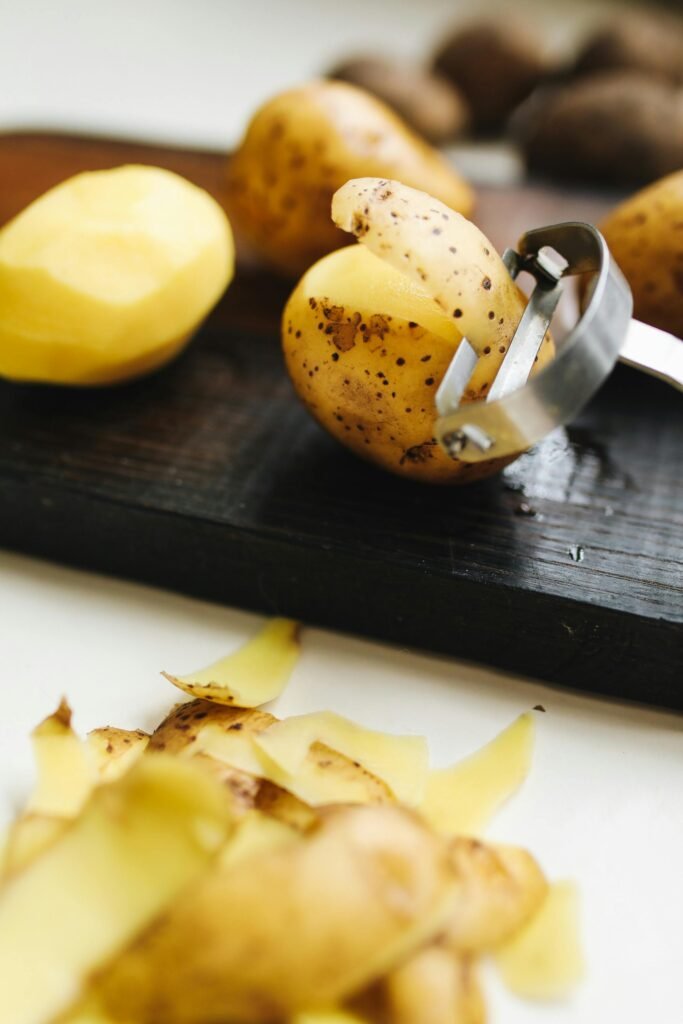
Once cooked, draining the potatoes thoroughly will prevent excess moisture from compromising the creamy consistency. It is advisable to return the drained potatoes to the pot over low heat for a minute, allowing them to dry out slightly. This step helps in absorbing the added ingredients and avoids a soupy mixture.
When mashing, select your tools wisely. A potato masher delivers a straightforward mash with a rustic texture, whereas a ricer or food mill provides an ultra-smooth finish. If a creamy consistency is your goal, using a hand mixer or stand mixer can incorporate air into the potatoes, but be cautious; over-mixing will lead to a gluey texture.
Integration of ingredients plays a significant role in flavor enhancement as well. Begin with the butter; using unsalted butter allows for better control of the dish’s saltiness. Adding it when the potatoes are still warm helps it melt into the mixture, contributing to a richer taste. Warm milk or cream should then be gradually incorporated until the desired smoothness is achieved. Adding garlic powder brings a subtle yet distinct flavor that complements the creamy texture beautifully. Season with salt to taste. Ultimately, the key to creating the perfect creamy mashed potatoes lies in the careful balance of technique and quality ingredients.
Customization Options for Extra Creaminess
When it comes to elevating the texture and flavor of mashed potatoes, customization is key. To achieve an extra creamy consistency, consider incorporating ingredients such as sour cream or cream cheese. These additions not only enhance the richness of your mashed potatoes but also contribute a tangy flavor that complements the earthiness of the potatoes. A generous scoop of sour cream can introduce a delightful creaminess, while cream cheese adds a smooth, velvety finish that many find irresistible.
In addition to these primary ingredients, there are numerous optional elements that can further enhance your mashed potatoes. Fresh herbs such as chives, parsley, or rosemary can provide a burst of freshness and color, transforming a simple side dish into a gourmet experience. Furthermore, the incorporation of various types of cheese can add depth and flavor. For example, grated Parmesan or sharp cheddar can introduce a savory note, while a creamy goat cheese contributes a unique taste profile that pairs beautifully with potatoes.


Seasoned butter is another excellent option for achieving creaminess. By melting butter infused with garlic, herbs, or spices, you can create a delightful base that infuses your mashed potatoes with extra flavor. This method not only promotes a creamy texture but also allows for versatility in seasoning to cater to diverse palates.
When it comes to serving these delectable mashed potatoes, consider pairing them with roasted meats, gravy, or even served alongside a fresh green salad for balance. Such combinations allow your dish to shine while still remaining comforting and satisfying. The options are virtually limitless, inviting creativity and personal preference into the preparation of this timeless favorite.