
Introduction to Bouillabaisse
Bouillabaisse is a traditional Provençal seafood stew that has long been cherished in French cuisine. Originating from the coastal city of Marseille, this dish is an emblem of Mediterranean culinary heritage. Historically, bouillabaisse was born out of necessity, created by fishermen who would combine unmarketable fish with aromatic herbs and spices, transforming what was once considered waste into a flavorful meal. Over time, this humble stew gained popularity, evolving into a dish celebrated for its rich flavors and complex preparation.
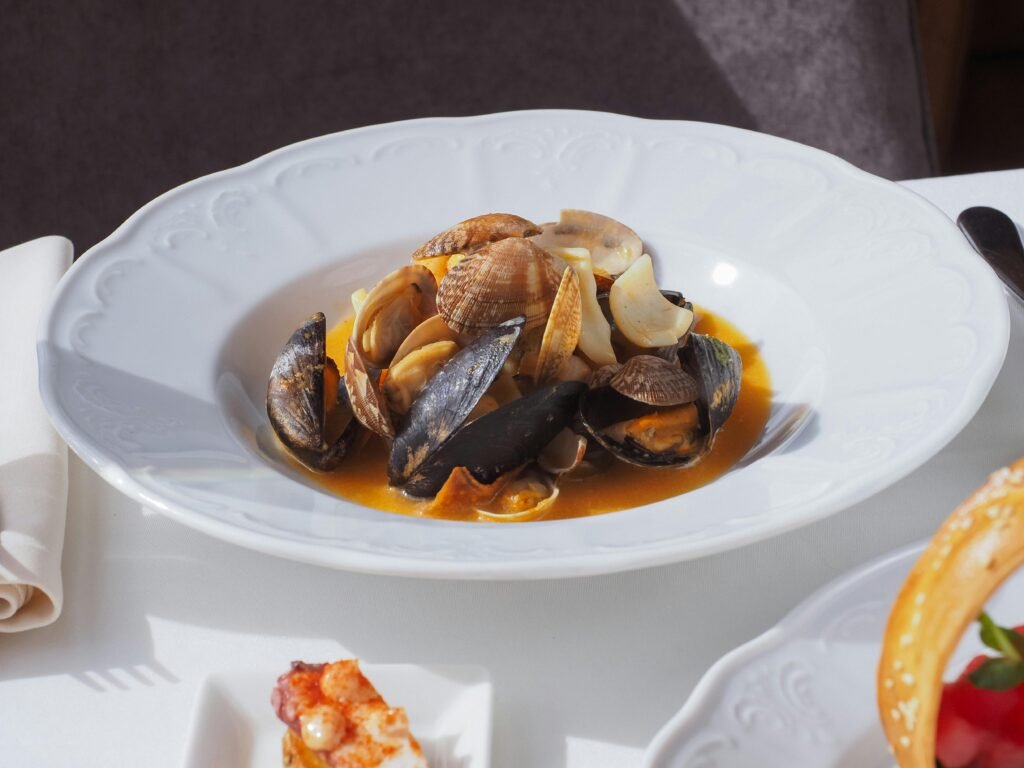
The cultural significance of bouillabaisse extends beyond its ingredients; it reflects the lifestyle and values of the Mediterranean people. Typically enjoyed as a communal meal, this seafood stew embodies principles of sharing and hospitality, often served with a side of rouille, a garlic mayonnaise that enhances the overall experience. Each family has its unique variation, resulting in several regional adaptations that contribute to the stew’s complexity. For instance, in Nice, one might find the addition of different types of fish and shellfish, while in other coastal towns, the focus may shift towards local catches.
A classic bouillabaisse features a variety of fish such as white fish, mussels, and shrimp, simmered together in a broth enriched with tomatoes, saffron, and fennel. The infusion of these ingredients produces a meal that is more than just a simple fish stew; it represents the essence of the sea and the local agricultural produce. As bouillabaisse continues to be prepared and enjoyed, its recipe evolves further, inviting chefs and home cooks alike to explore their creativity while respecting tradition.
Essential Ingredients for a Classic Bouillabaisse
Ingredients for Classic Bouillabaisse (Serves 4–6)
✅ For the Broth:
- 2 tbsp olive oil 🛢️
- 1 onion, chopped 🧅
- 2 leeks, white parts only, sliced 🥬
- 2 cloves garlic, minced 🧄
- 1 fennel bulb, thinly sliced 🌿
- 4 large tomatoes, chopped 🍅
- 1 cup dry white wine 🍷
- 4 cups fish stock 🐟
- 1 bay leaf 🍃
- 1 tsp saffron threads 🌾
- ½ tsp orange zest 🍊
- Salt & black pepper, to taste 🧂
✅ For the Seafood:
- 1 lb firm white fish (cod, halibut, or sea bass), cut into chunks 🐟
- ½ lb mussels, cleaned 🦪
- ½ lb clams, scrubbed 🦪
- ½ lb shrimp, peeled and deveined 🍤
- ½ lb squid, cleaned and sliced into rings 🦑
✅ For Serving:
- 1 small baguette, sliced and toasted 🥖
- ½ cup rouille sauce (garlic and saffron mayo) 🥄
- Fresh parsley, for garnish 🌿
- Lemon wedges, for serving 🍋
Preparing a classic Bouillabaisse requires a thoughtful selection of fresh seafood and aromatic ingredients that define this traditional French stew. The cornerstone of a delightful Bouillabaisse lies in the variety of fish and shellfish used. White fish such as cod, snapper, or monkfish are ideal choices due to their firm texture and ability to hold up in the cooking process. These fish not only contribute to the stew’s body but are also a canvas for the flavors that emerge during cooking.
Shrimp and mussels also play a vital role in creating a rich and satisfying Bouillabaisse. The shrimp adds a lustrous sweetness, while mussels introduce a briny undertone that complements the fish beautifully. Other shellfish options like clams or crab can also be incorporated according to personal preference or availability. When selecting seafood, freshness is paramount; visiting a local fish market or sourcing from reputable vendors is recommended to ensure the best quality.
Alongside the seafood, the aromatic herbs and spices elevate the stew, providing depth of flavor. Saffron is a quintessential ingredient in Bouillabaisse, lending both color and a distinctive fragrance. Its unique taste, however, can be quite potent, so it is essential to use it sparingly yet effectively. Garlic and fennel are other crucial contributors; garlic imparts a robust flavor, while fennel offers a slight anise note that balances the dish. For those seeking alternatives, fresh dill or leeks may serve as suitable substitutes without compromising on taste.
Other ingredients include a base of ripe tomatoes, which help create a rich broth, and a combination of olive oil, onion, and a splash of white wine for added complexity. Understanding the purpose of each ingredient not only guides the cooking process but also allows adjustments based on dietary preferences. Therefore, whether adhering to traditional selections or customizing the recipe, each ingredient plays a vital role in achieving a memorable classic Bouillabaisse.
Cooking Process: Steps to Create Bouillabaisse
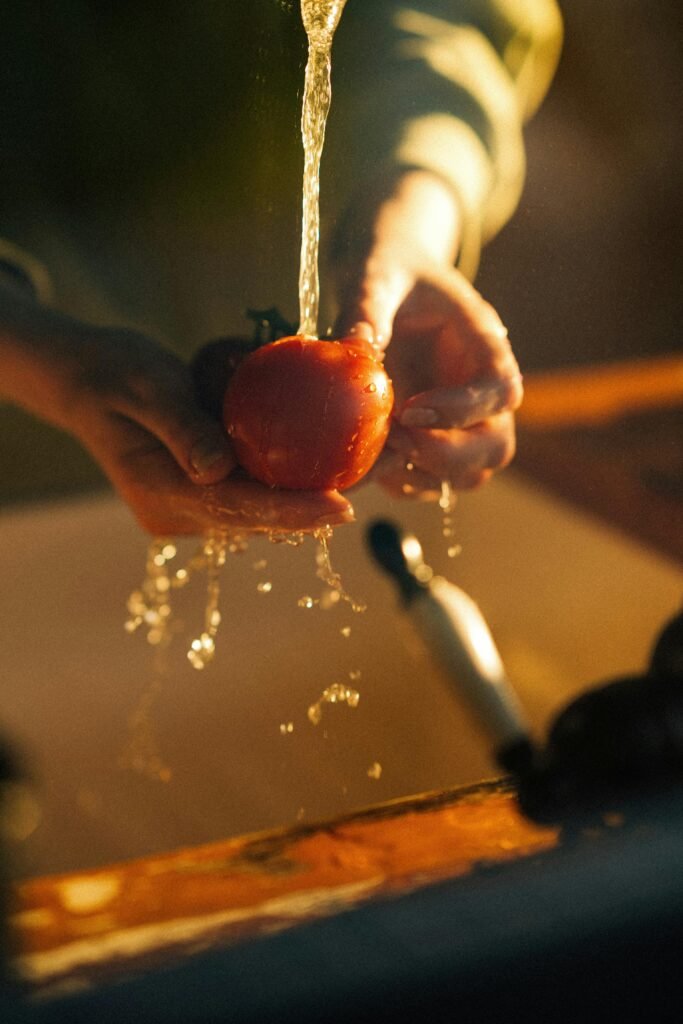
Creating an authentic bouillabaisse involves a careful selection of fresh ingredients, a precise cooking technique, and attention to detail to ensure the final dish bursts with flavor. Start by gathering your ingredients, which typically include a variety of fresh fish, shellfish, herbs, and aromatics. The key to a flavorful bouillabaisse begins with the broth, so prepare a base by sautéing onions, leeks, garlic, and tomatoes in olive oil until they are tender and fragrant. This step not only builds depth but also sets a solid foundation for your seafood stew.

Once the aromatics have softened, add your chosen seafood stock or fish bones to the pot, allowing the mixture to simmer gently. This process helps develop the rich taste that is characteristic of bouillabaisse. Incorporate a bouquet garni—a bundle of herbs including thyme, bay leaf, and parsley—to infuse the broth with additional layers of flavor. After about 20-30 minutes of simmering, strain the broth to remove solid particles, leaving you with a smooth and aromatic base.
The next stage involves reintroducing the strained broth to the stove and gradually adding your seafood. Start with firmer fish such as monkfish or salmon, which require a longer cooking time, and then, a few minutes later, introduce more delicate varieties like sole or shellfish such as mussels and shrimp. This careful sequencing ensures each component is cooked to perfection without becoming rubbery. Aim for a simmer rather than a rolling boil, which can adversely affect the texture of the seafood.
As your bouillabaisse nears completion, taste and adjust the seasoning with salt and pepper. For a finishing touch, consider a splash of saffron to enhance both the color and flavor of the stew. Serve the bouillabaisse hot, typically accompanied by a side of crusty bread and a spicy rouille sauce, offering an authentic experience that complements the rich tastes of this classic dish.
Serving Suggestions and Variations
Bouillabaisse, the classic French seafood stew, is not just a dish; it is an experience. When serving this delightful stew, traditional accompaniments enhance its rich flavors and elevate the dining experience. One essential accompaniment is rouille, a garlic mayonnaise infused with saffron and served atop crusty French bread. This pairing not only adds a creamy texture but also complements the robust flavors of the seafood, thus enriching the overall experience of Bouillabaisse.
For an appealing presentation, serve bouillabaisse in large shallow bowls, allowing diners to appreciate the vibrant array of seafood, vegetables, and broth. Garnishing with fresh herbs such as parsley or chervil can also infuse the dish with a pop of color and freshness. Thinly sliced orange zest or a sprinkle of finely chopped shallots adds an attractive depth, offering a visually appealing contrast against the vibrant broth and seafood.

Regional variations of Bouillabaisse across France provide further avenues for exploration. In Marseille, the classic recipe typically includes a diverse selection of fish and shellfish, along with a distinctive use of spices, while in other coastal regions, such as Provence, local fish may be substituted, reflecting the area’s fishing practices. Some versions may introduce ingredients like fennel or leeks, enhancing the stew’s aromatic profile, while others might utilize a tomato base, presenting a different flavor dimension.


For those with dietary considerations, Bouillabaisse can be adapted to fit vegetarian or gluten-free diets. Substituting seafood with an assortment of seasonal vegetables and legumes can create a hearty plant-based alternative, while using gluten-free bread or omitting it entirely caters to gluten-sensitive individuals. Such adaptations allow the essence of bouillabaisse to be enjoyed by everyone, ensuring that this delightful dish remains versatile and inclusive.